• Menu
  • Menu

Blog

Bali – Indonesia (Dec 2025)

Bali is an Indonesian island renowned for its natural beauty, rich culture, and vibrant tourism scene. Known as the “Island of the Gods,” it features lush rice terraces, volcanic mountains, tropical beaches, and coral reefs alongside a deeply rooted Hindu culture expressed through temples, ceremonies, music, and dance. Bali attracts travelers for both relaxation and adventure, offering world-class resorts, surfing, diving, yoga retreats, and nightlife, especially in areas like Ubud, Seminyak, and Canggu. While tourism is central to its economy, the island also faces challenges such as environmental strain and balancing development with tradition. Overall, Bali stands out as a destination that blends spirituality, nature, and modern travel culture.

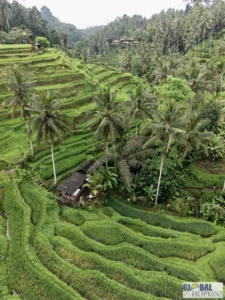
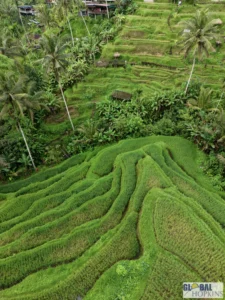
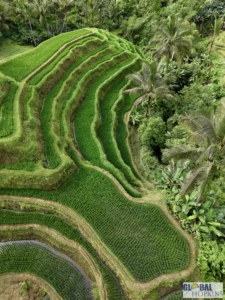
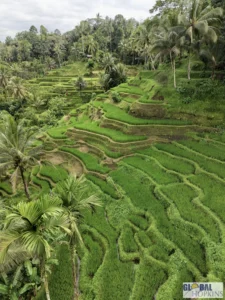
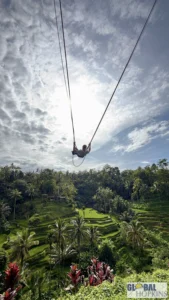
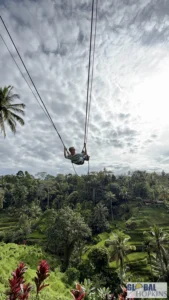
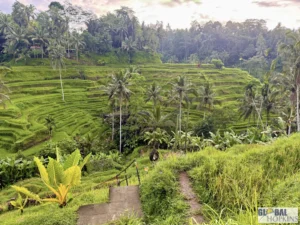
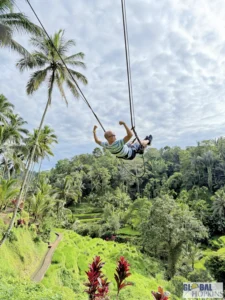
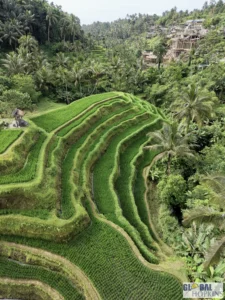
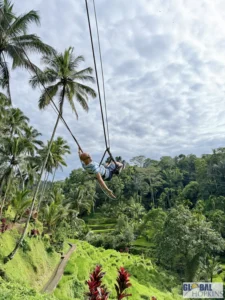
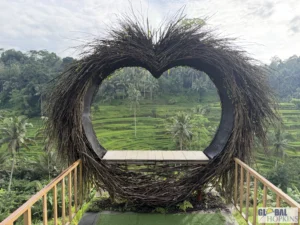
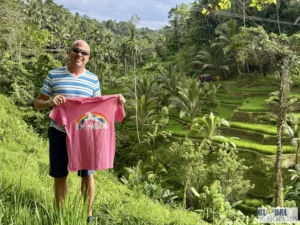
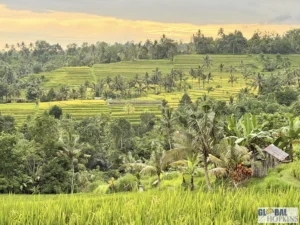
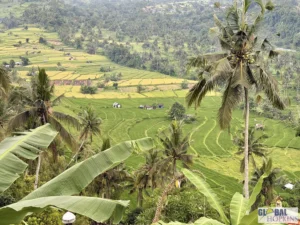
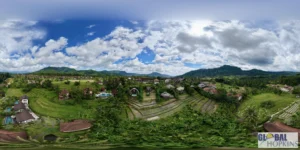
Ubud Rice Terraces

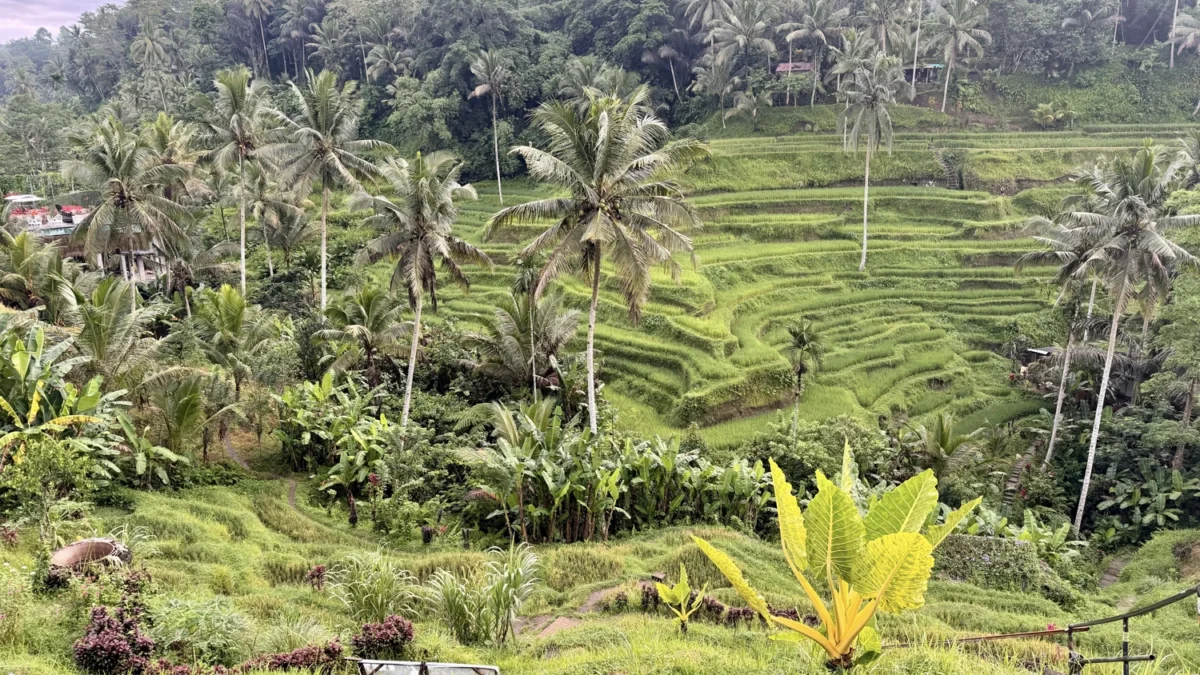
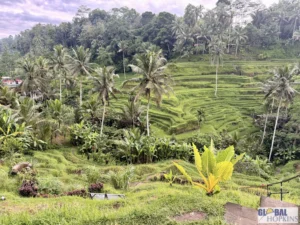
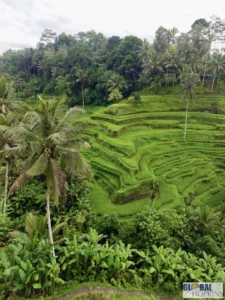
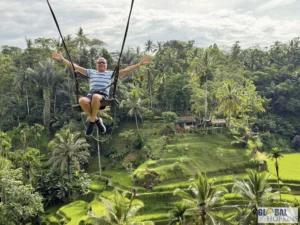
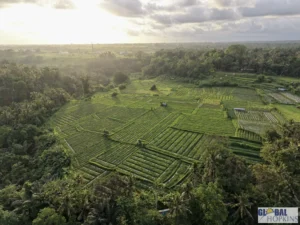
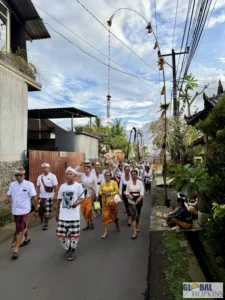
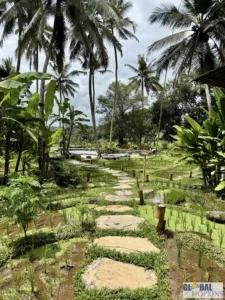
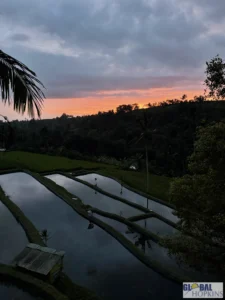
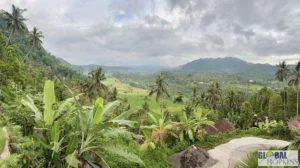
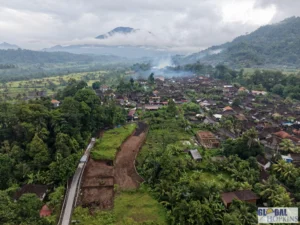
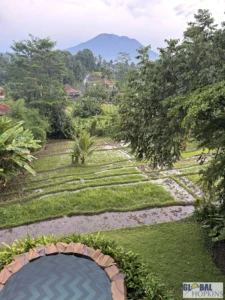
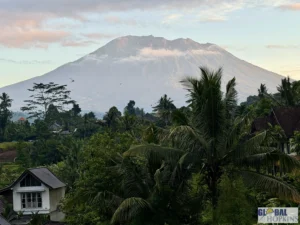
The Ubud rice terraces are a scenic landscape of stepped rice fields in central Bali, famous for their lush greenery and traditional farming system known as subak, a centuries-old irrigation method rooted in Balinese culture and spirituality. Carved into hillsides and fed by mountain springs, the terraces showcase the close relationship between agriculture, religion, and community life in Bali. Popular sites like Tegalalang attract visitors for walking paths, viewpoints, and cultural experiences, while also symbolizing Bali’s heritage and harmonious balance between people and nature.

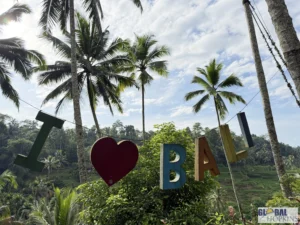
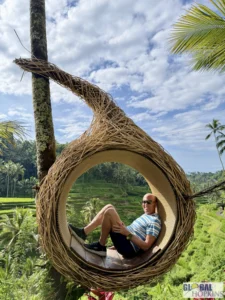
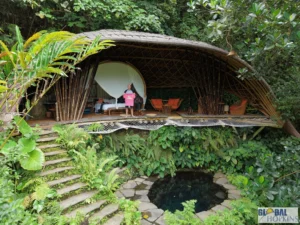
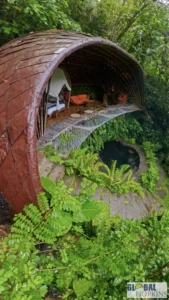
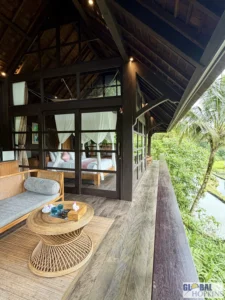
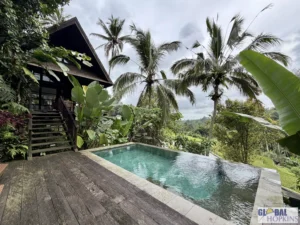
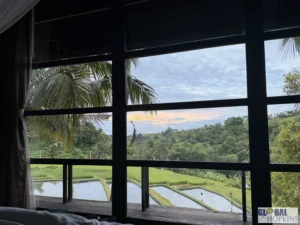
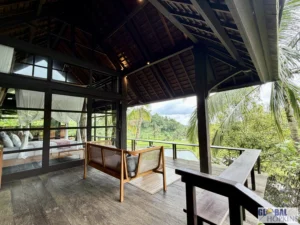
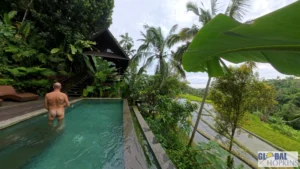
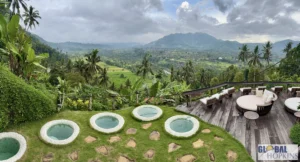
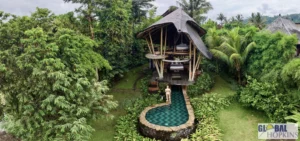
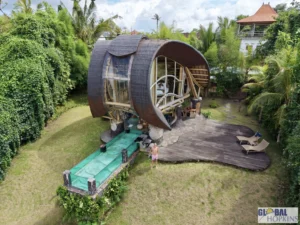
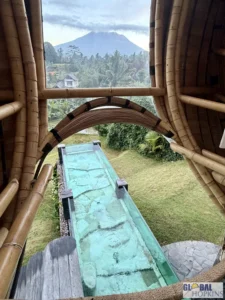
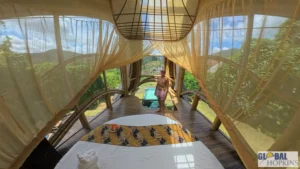
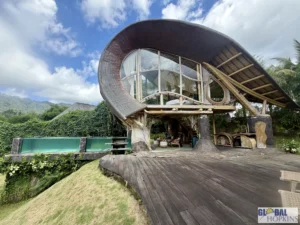
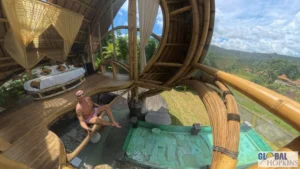
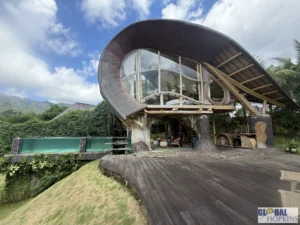
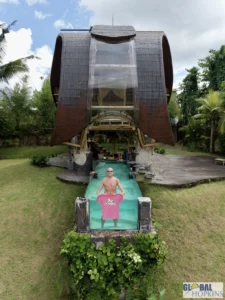
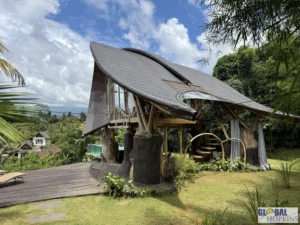
Bambu Indah Resort

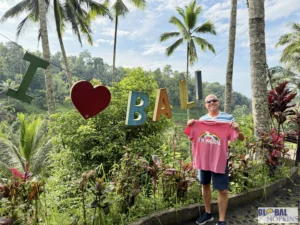
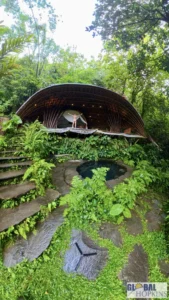
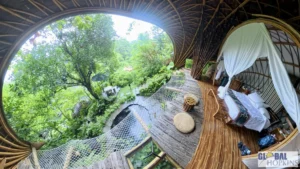
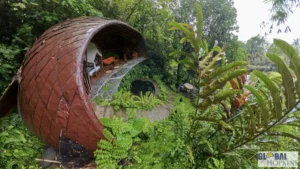
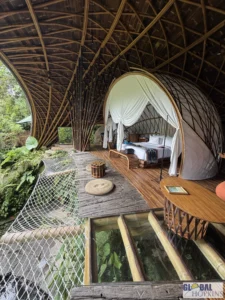
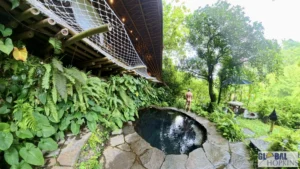
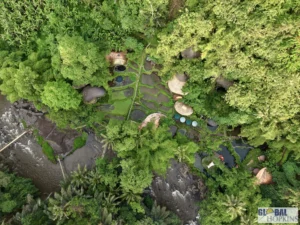
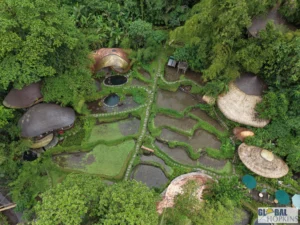
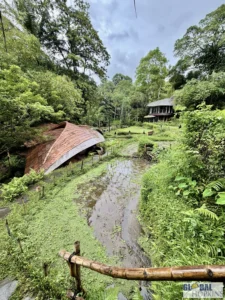
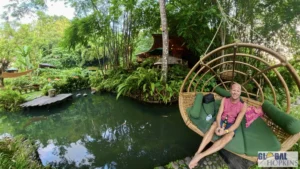
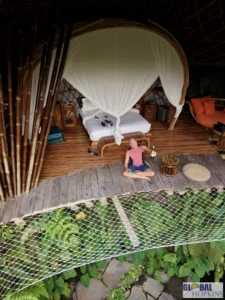
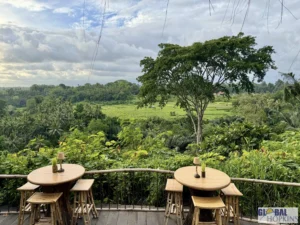
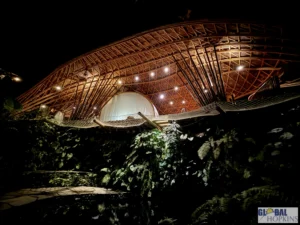
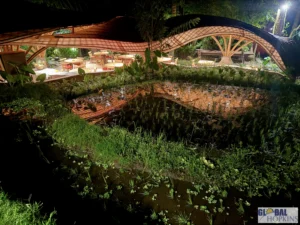
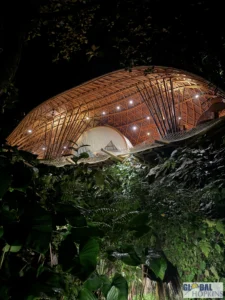
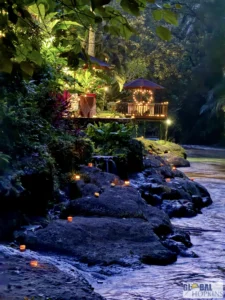
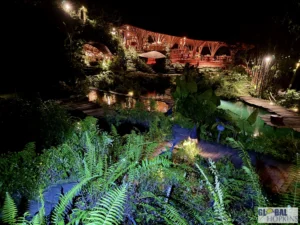
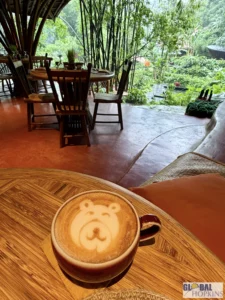
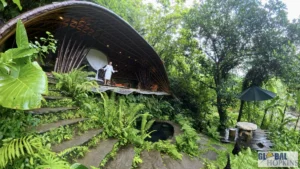
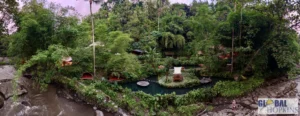
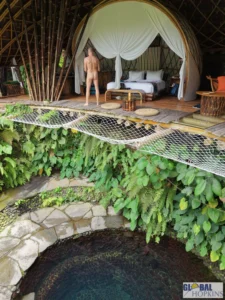
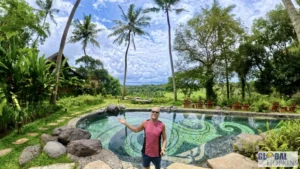
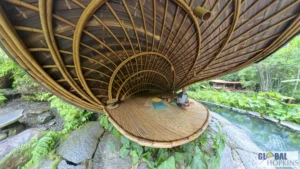
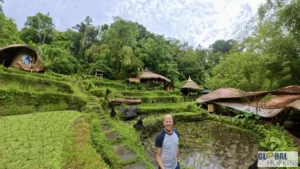
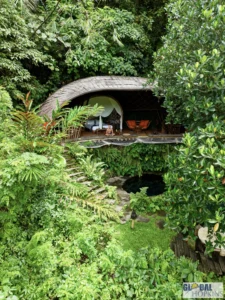
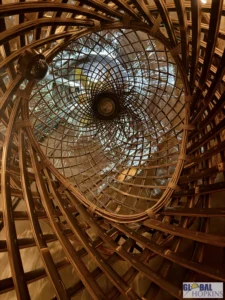
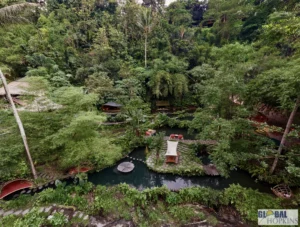
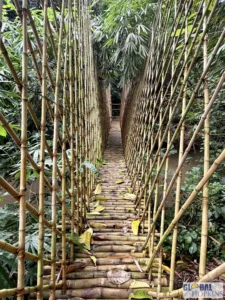
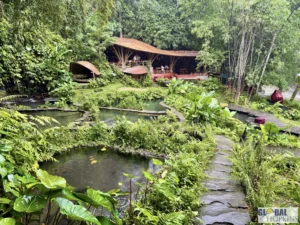
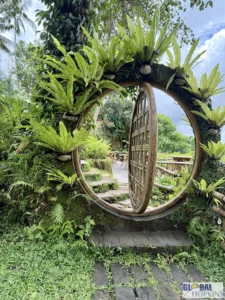
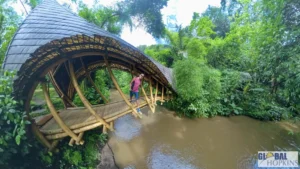
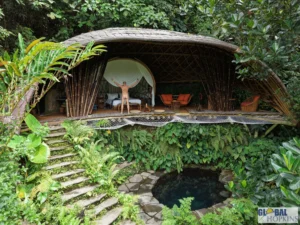
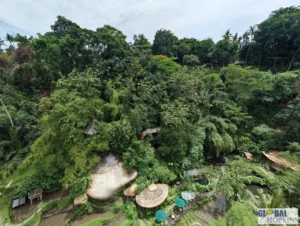
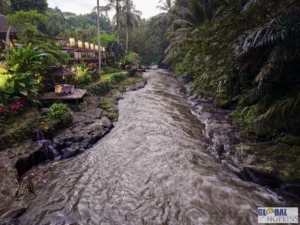
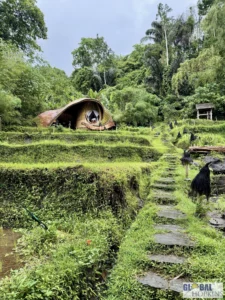
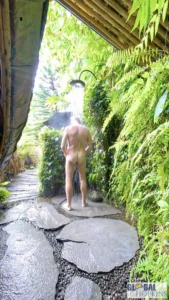
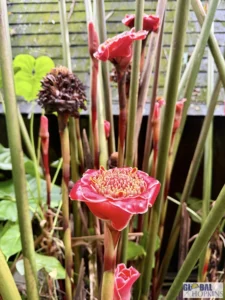
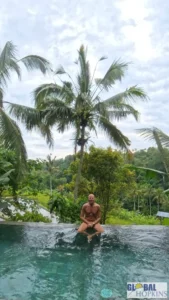
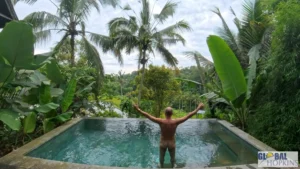
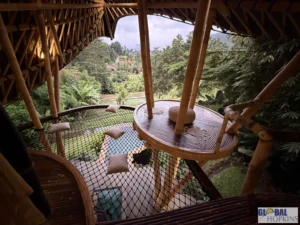
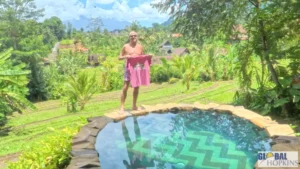
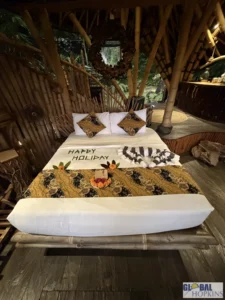
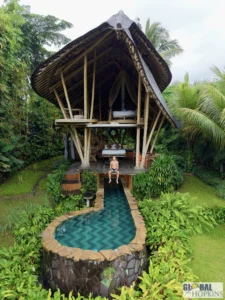
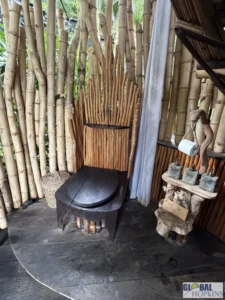
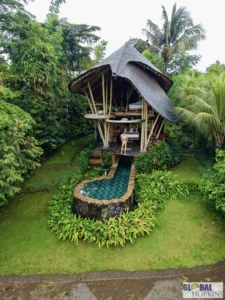
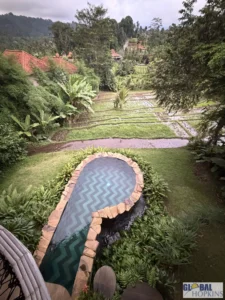
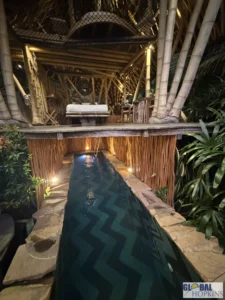
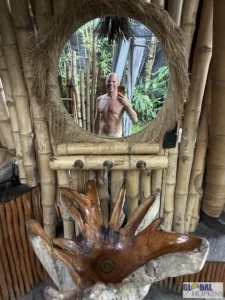
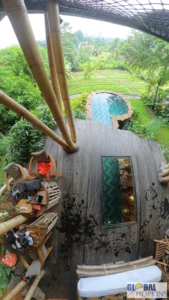
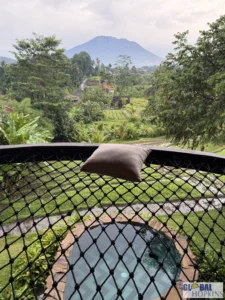
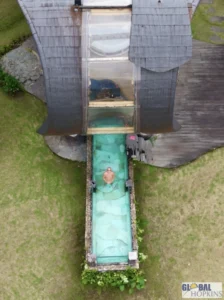
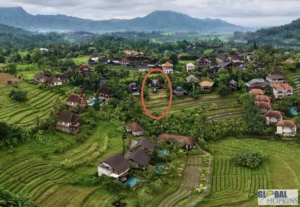
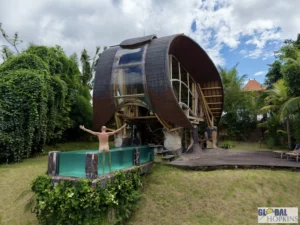
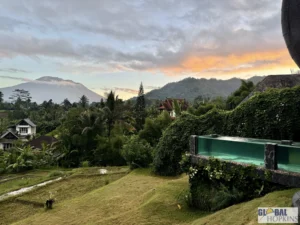
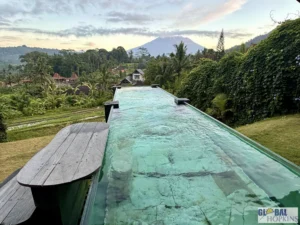
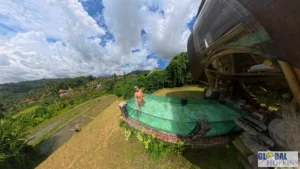
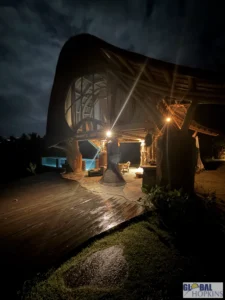
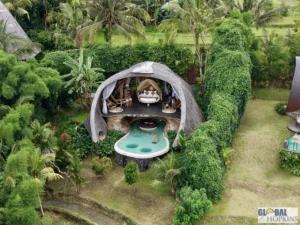
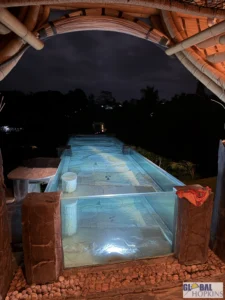
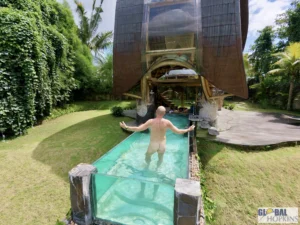
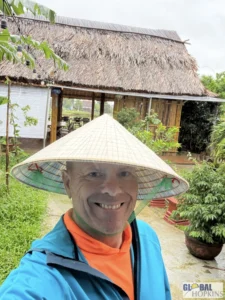
I stayed at this amazing resort in Ubud called Bambu Indah

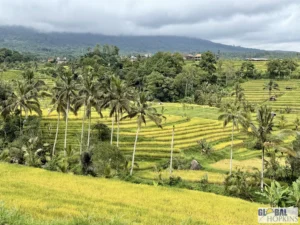
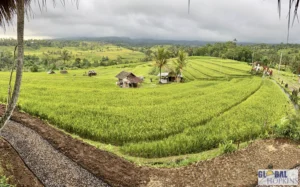
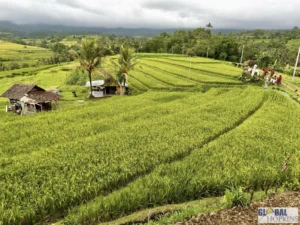
Jatiluwih Rice Terraces

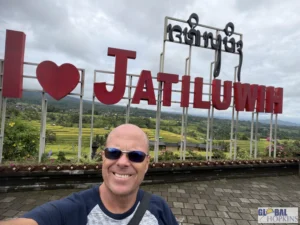
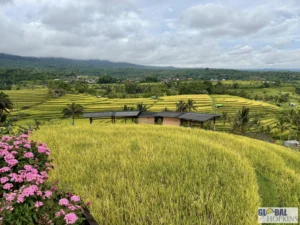
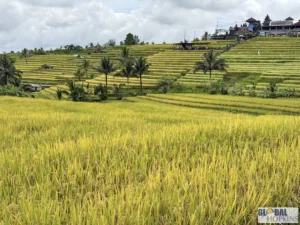
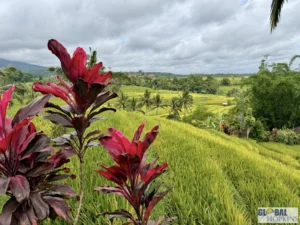
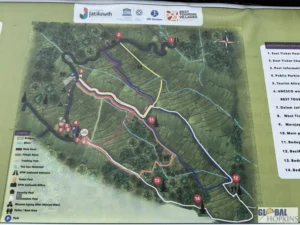
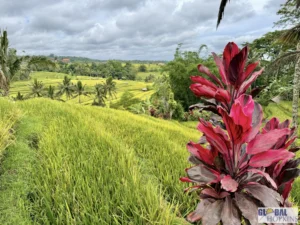
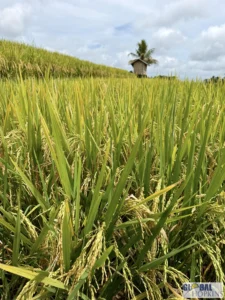
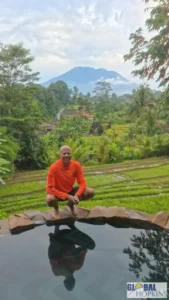
The Jatiluwih Rice Terraces are a vast, UNESCO World Heritage–listed landscape in central Bali, celebrated for their sweeping mountain views and well-preserved traditional subak irrigation system. Spanning rolling hills at the foot of Mount Batukaru, the terraces are less crowded than those near Ubud and offer a more tranquil, authentic look at Balinese rural life. They highlight the island’s deep connection between agriculture, community cooperation, and spiritual tradition, making Jatiluwih both a cultural landmark and a striking natural attraction.

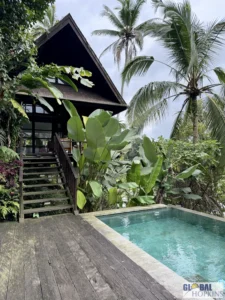
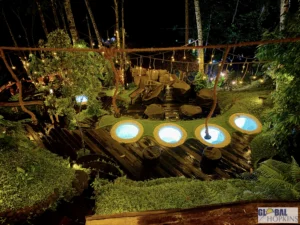
Villa Togog

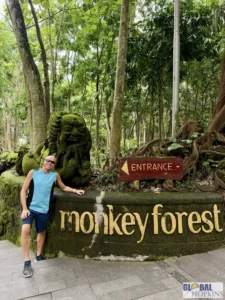
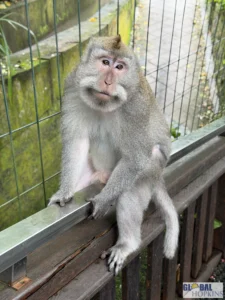
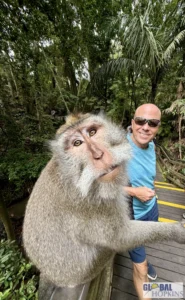
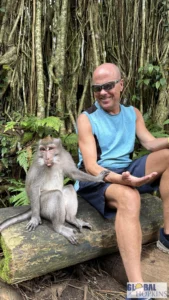
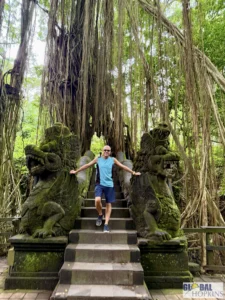
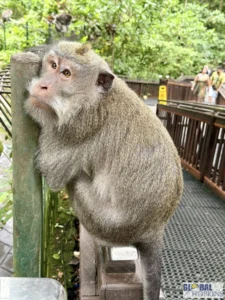
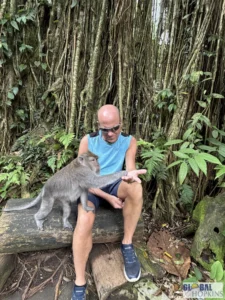
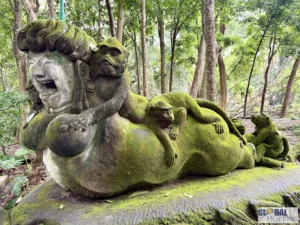
Monkey Forest

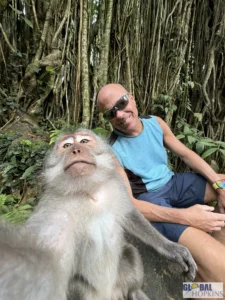
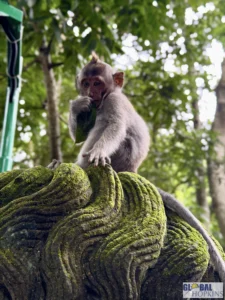
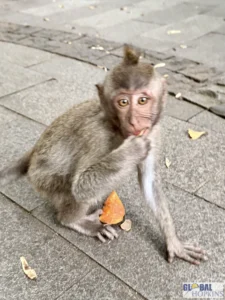
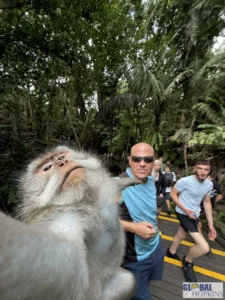
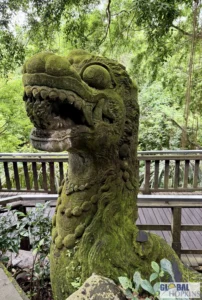
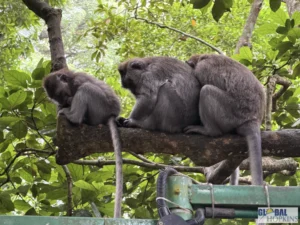
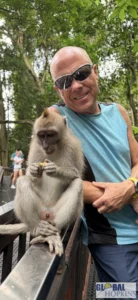
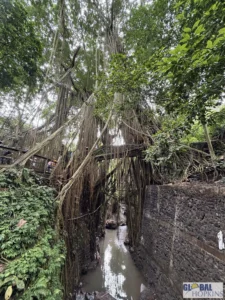
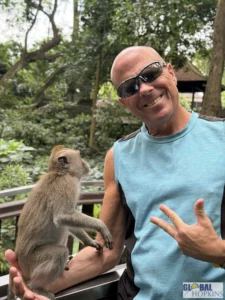
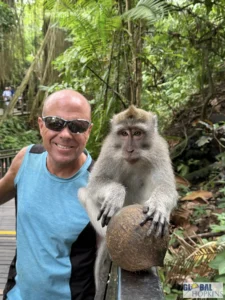
The Sacred Monkey Forest Sanctuary in Ubud is a lush, protected jungle area that combines natural beauty, wildlife, and Balinese spirituality. Home to hundreds of long-tailed macaques, the forest features dense greenery, walking paths, and ancient temple ruins that reflect traditional Hindu beliefs. It serves both as a conservation site and a cultural attraction, offering visitors a close encounter with wildlife while emphasizing harmony between humans, nature, and religion.

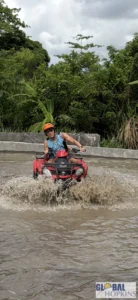
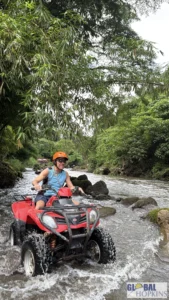
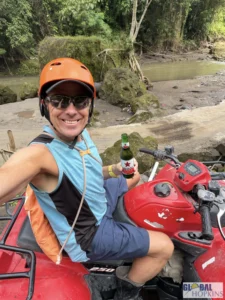
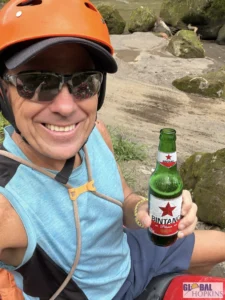
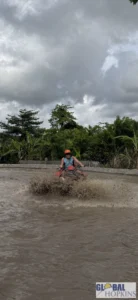
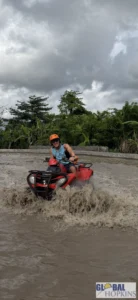
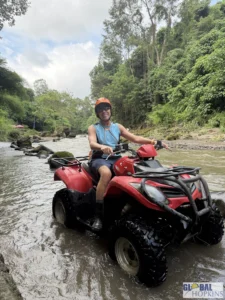
ATV Adventure

Sideman

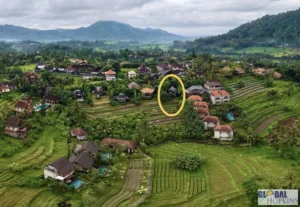
Sideman is a peaceful rural region in eastern Bali known for its lush rice terraces, river valleys, and views of Mount Agung. Far less developed than Bali’s main tourist centers, it offers a quiet, traditional atmosphere where daily life revolves around farming, temples, and local crafts such as weaving and silverwork. Popular for trekking, yoga retreats, and cultural immersion, Sidemen is valued for its natural beauty and authenticity, making it an ideal destination for travelers seeking tranquility and a deeper connection to Balinese village life.

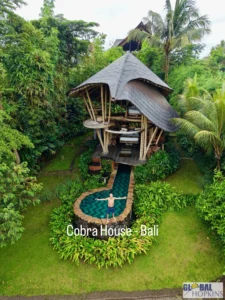
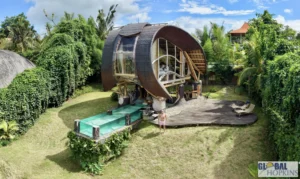
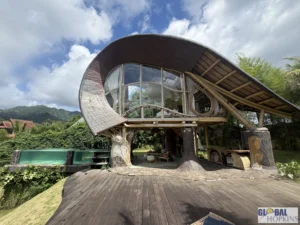
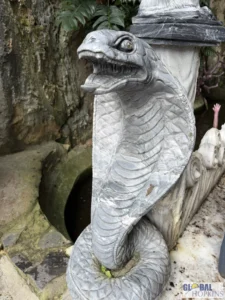
Cobra House

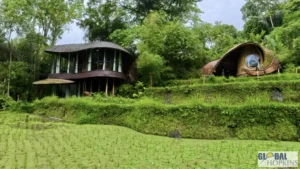
This hotel located in Sideman looks like a head and tail of a cobra.

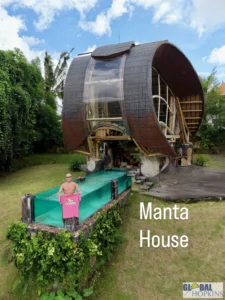
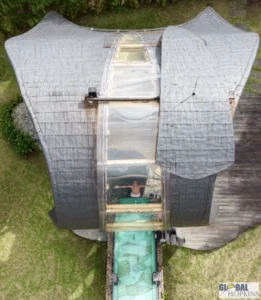
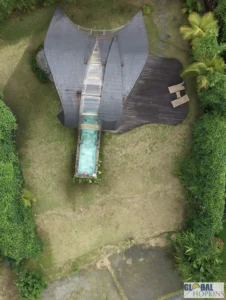
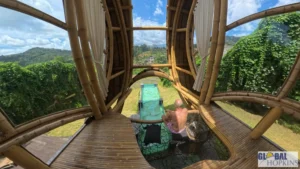
Manta House

This room was shaped like a Manta Ray was located in the same resort as the Cobra House

Singapore Changi (December 2025)

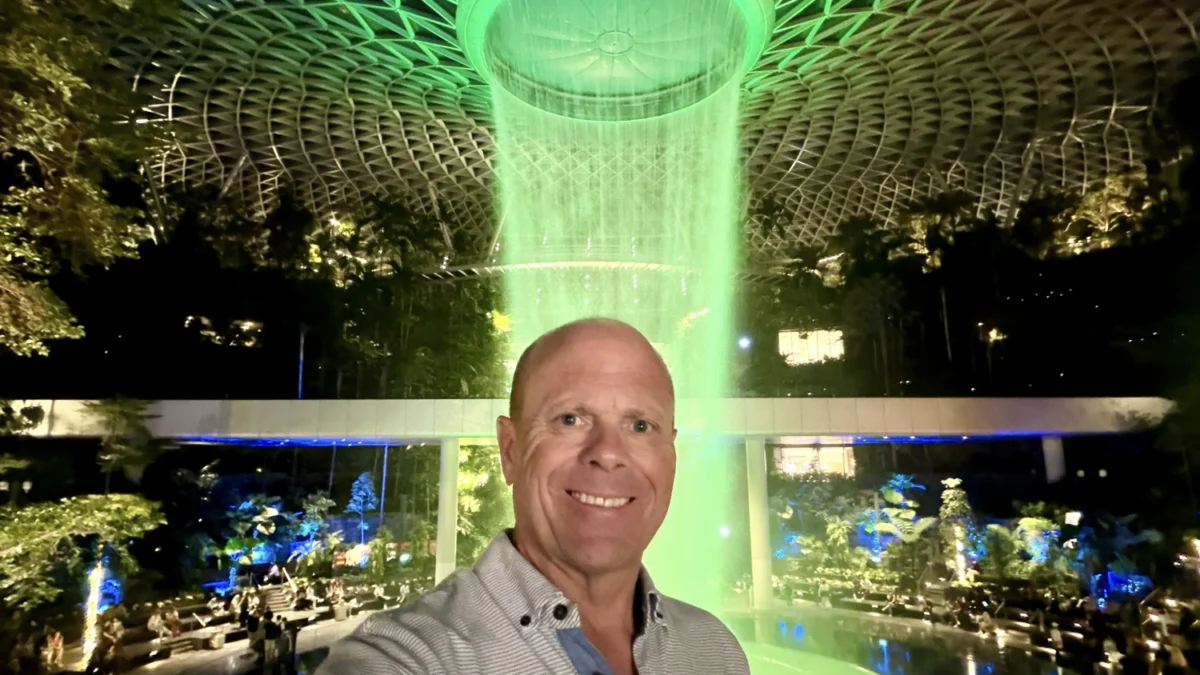
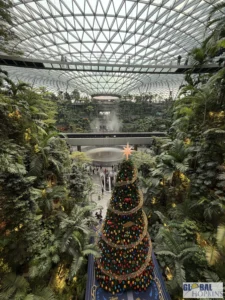
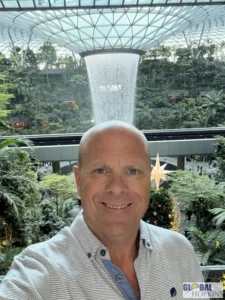
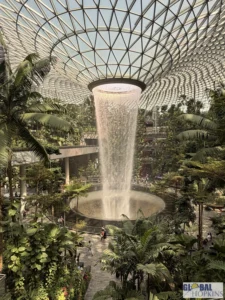
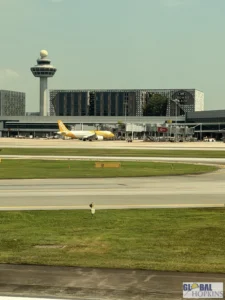
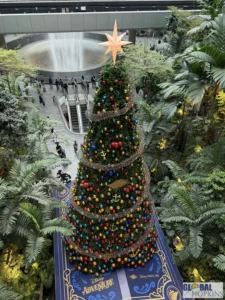
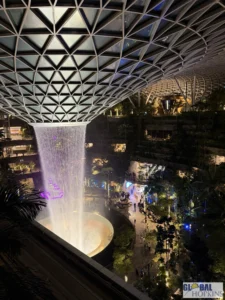
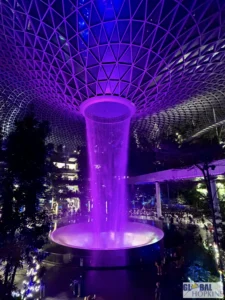
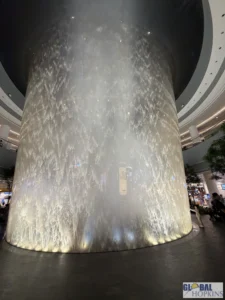
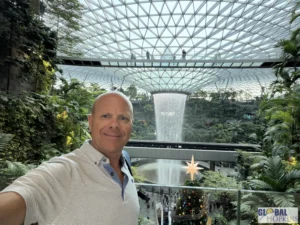
Singapore Changi Airport is one of the world’s leading aviation hubs, widely recognized for its efficiency, innovation, and passenger experience. Serving as a major gateway to Asia, it connects hundreds of destinations worldwide and is a key driver of Singapore’s role in global travel and commerce. Changi is famous for blending functionality with leisure, featuring lush indoor gardens, art installations, entertainment areas, and the iconic Jewel complex with its Rain Vortex waterfall. Known for consistently high rankings in global airport awards, it emphasizes seamless operations, cleanliness, and customer service. Overall, Singapore Changi Airport sets a global benchmark by transforming air travel into a comfortable, enjoyable, and memorable experience rather than just a transit point.

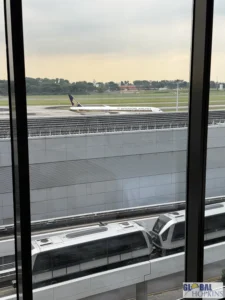
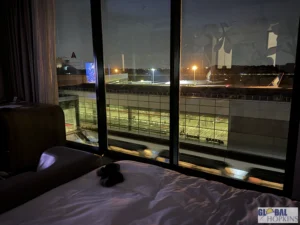
I stayed in the Crowne Plaza Hotel just inside the airport with my room overlooking the runways.

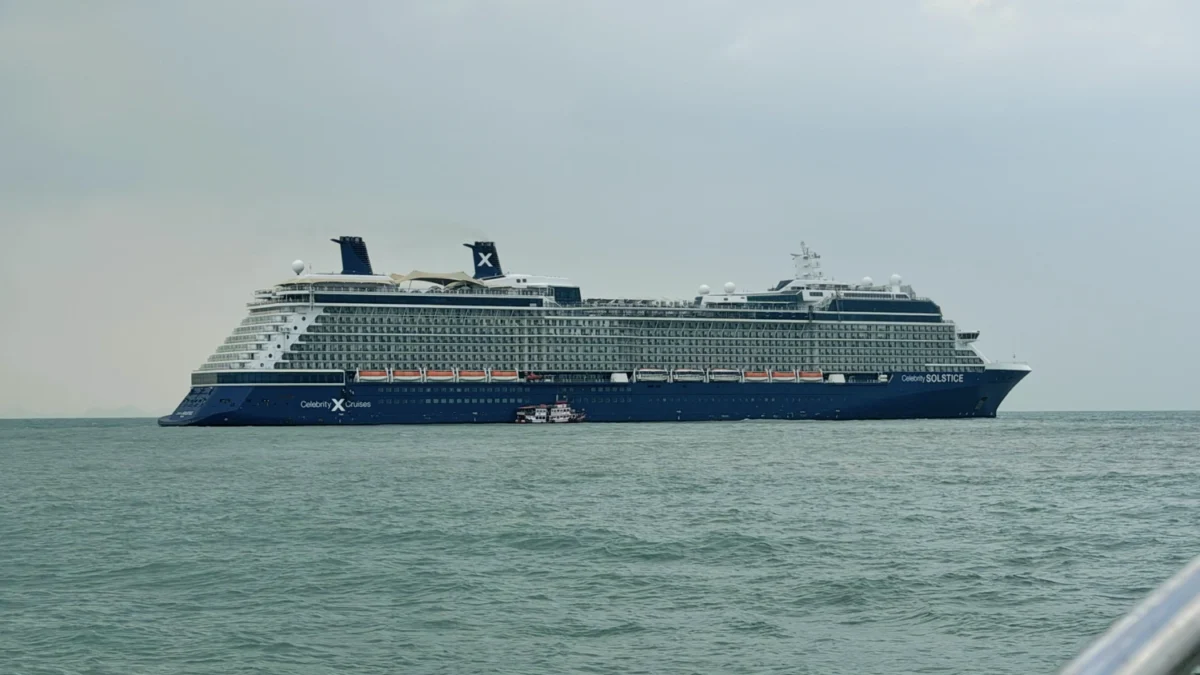
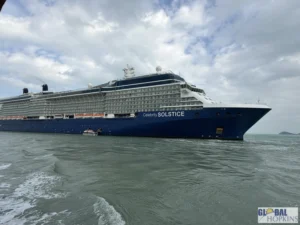
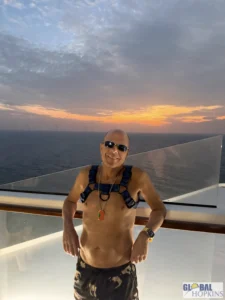
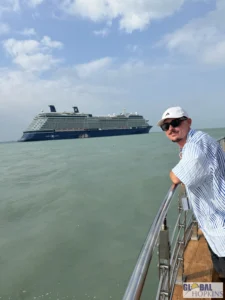
Atlantis Cruise – Hong Kong -> Singapore (November 2025)

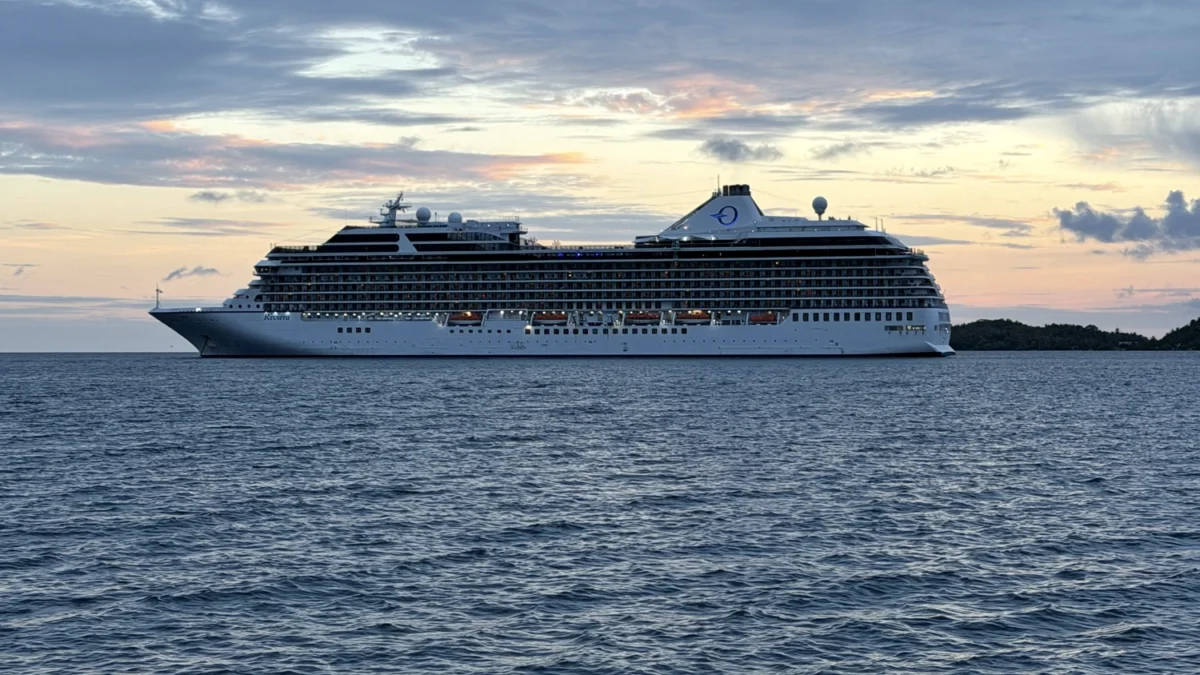
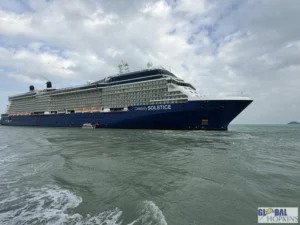
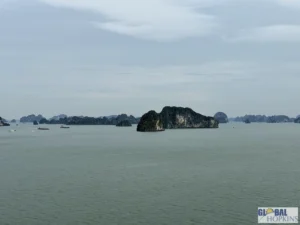
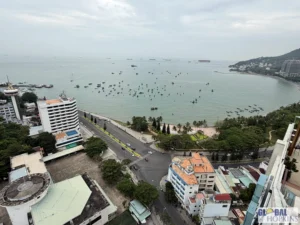
Hong Kong -> Hanoi (Ha Long Bay) -> Da Nang (Hoi An) -> Ho Chi Minh (Vũng Tàu) -> Bangkok -> Ko Samui, Thailand -> Singapore

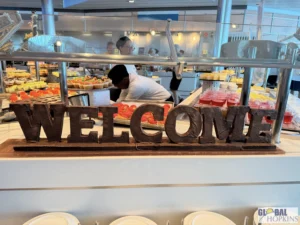
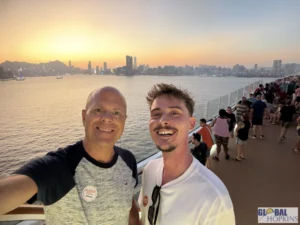
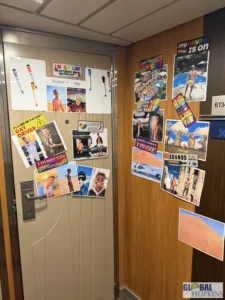
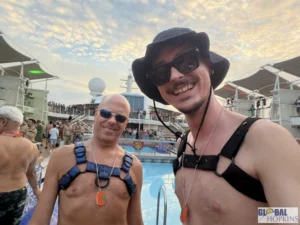
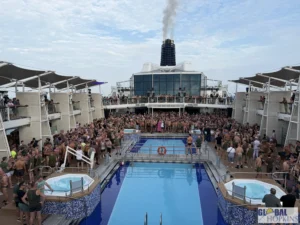
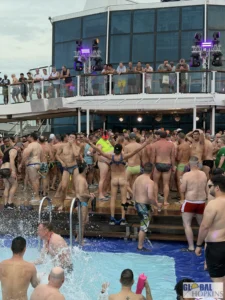
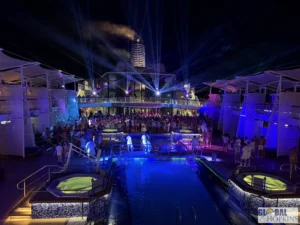
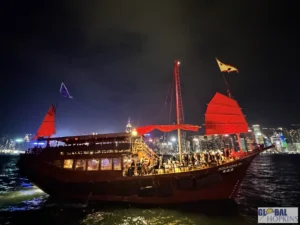
Hong Kong Sail Away Party

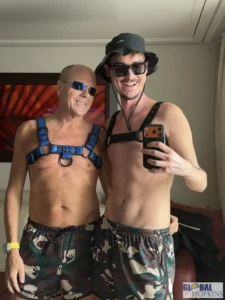
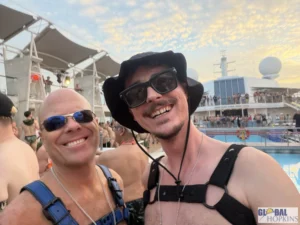
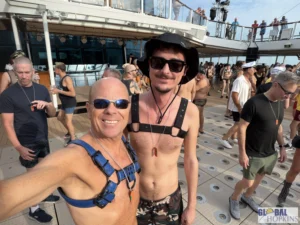
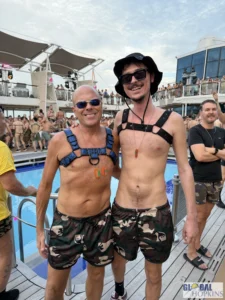
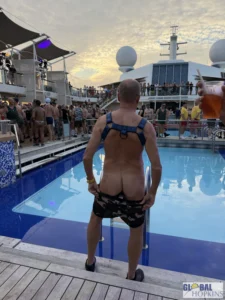
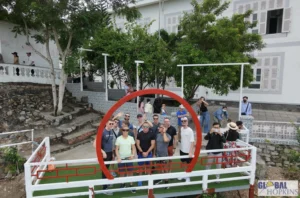
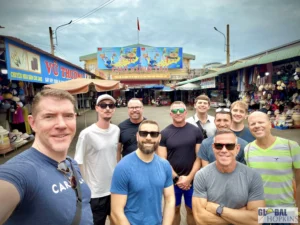
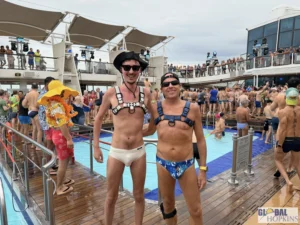
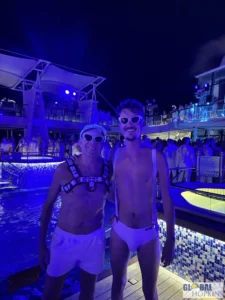
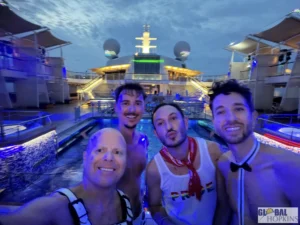
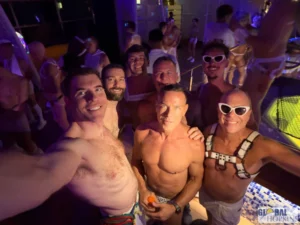
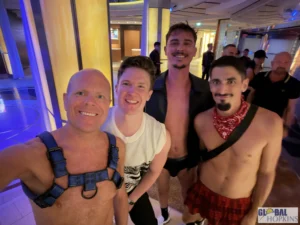
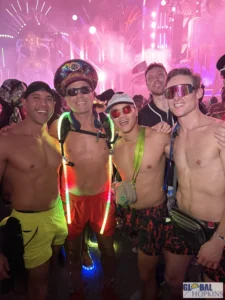
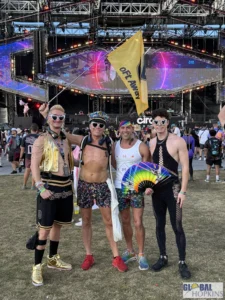
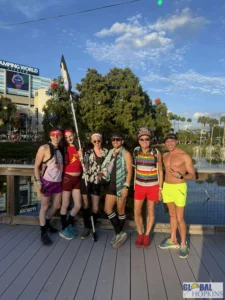
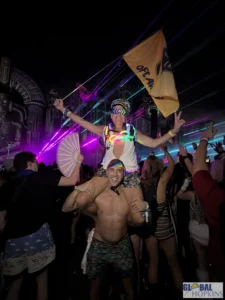
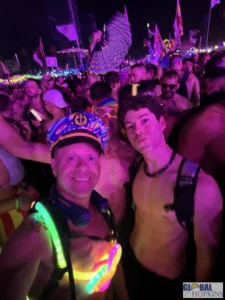
Dog Tag Military Party

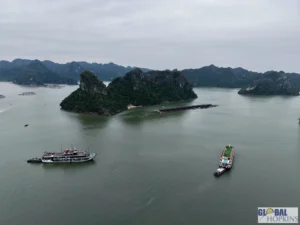
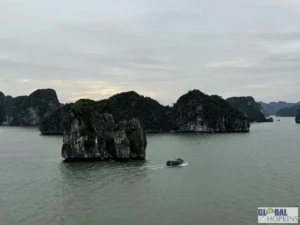
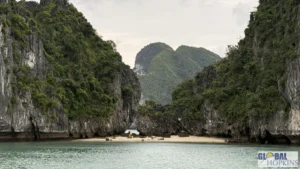
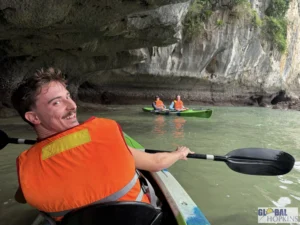
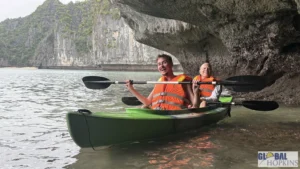
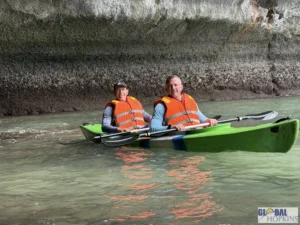
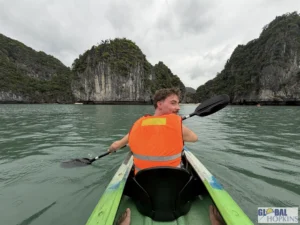
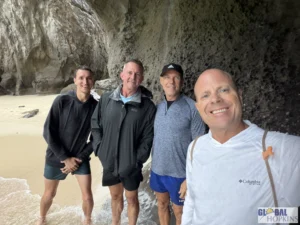
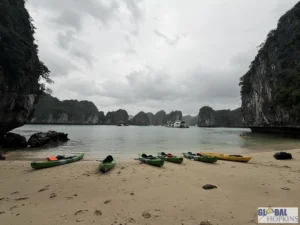
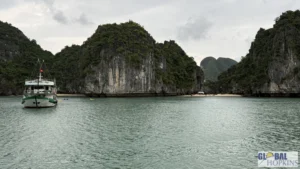
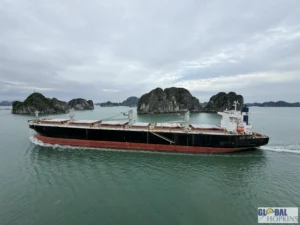
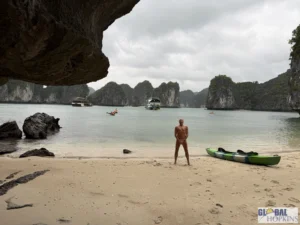
Ha Long Bay, Vietnam

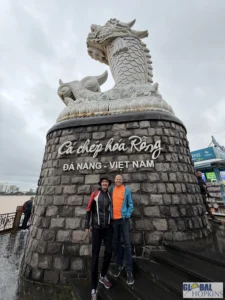
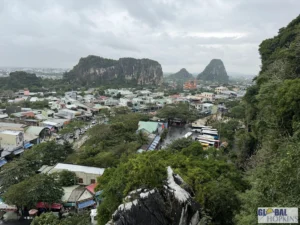
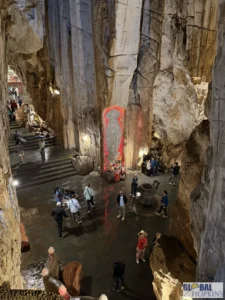
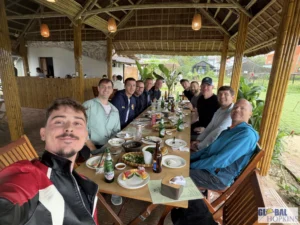
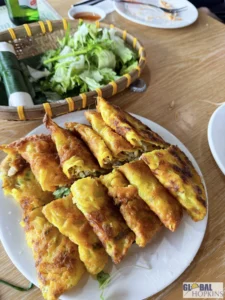
Da Nang (Hoi An), Vietnam

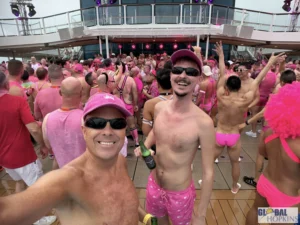
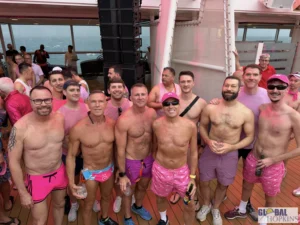
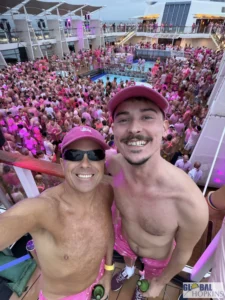
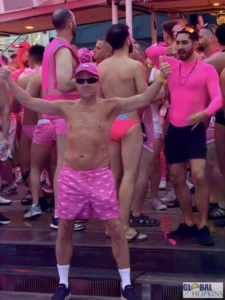
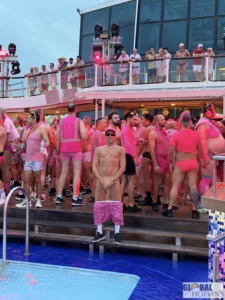
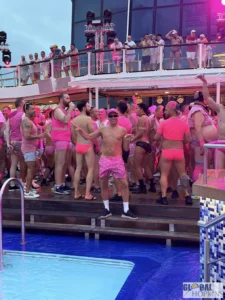
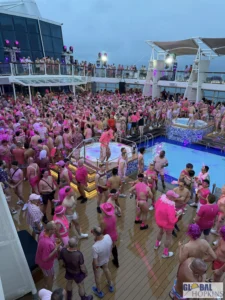
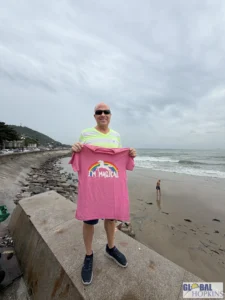
Pink Party

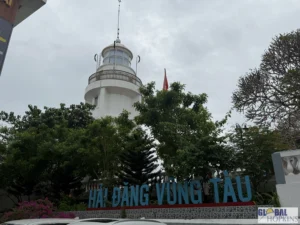
Vũng Tàu, Vietnam

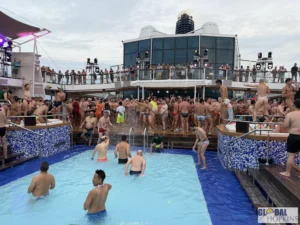
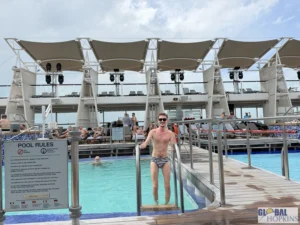
Splash Party

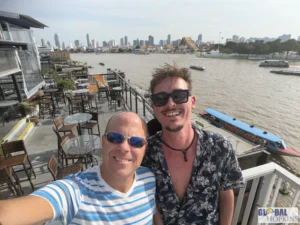
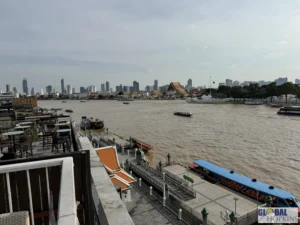
Bangkok, Thailand

Koh Samui, Thailand

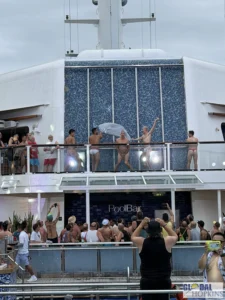
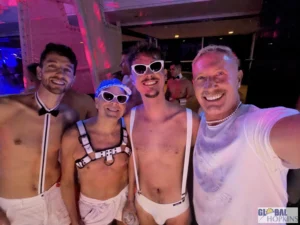
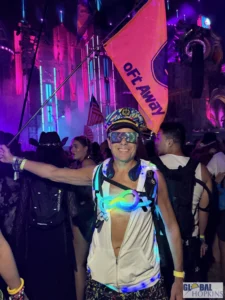
White Party

Cruise Miscellaneous

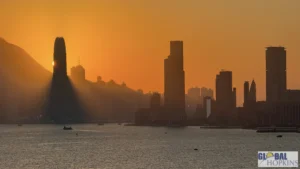
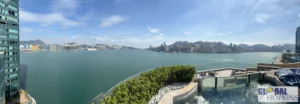
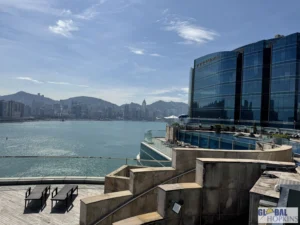
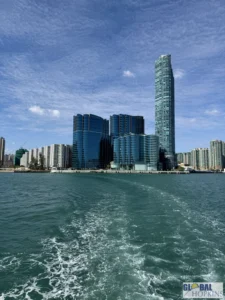
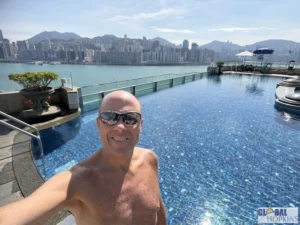
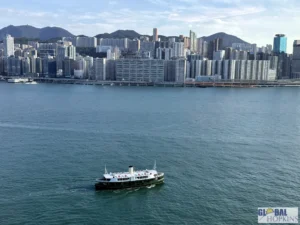
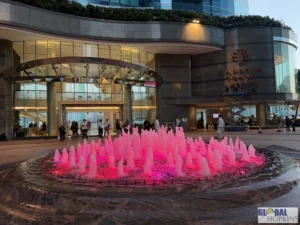
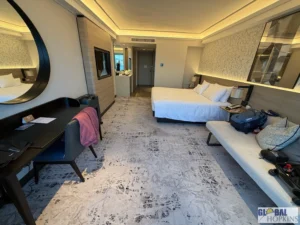
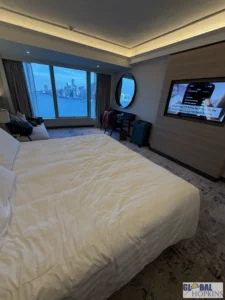
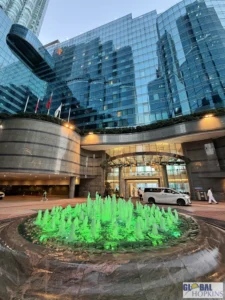
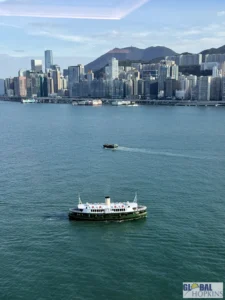
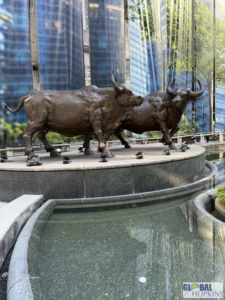
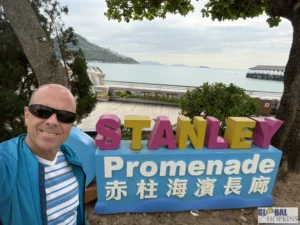
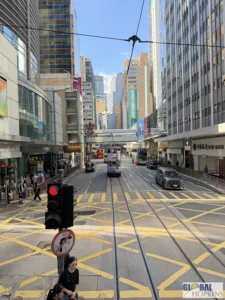
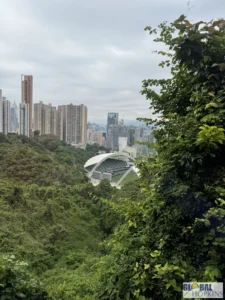
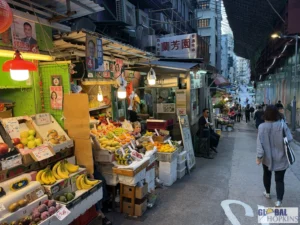
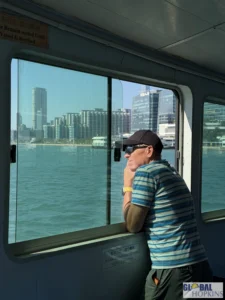
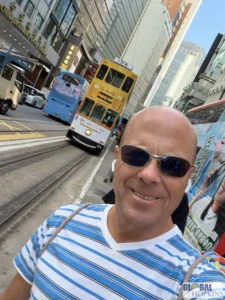
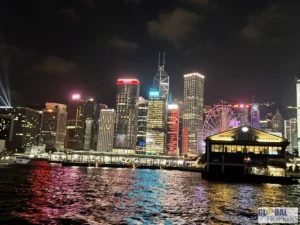
Hong Kong (November 2025)

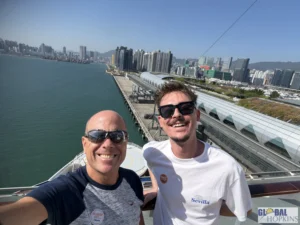
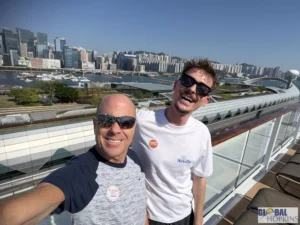
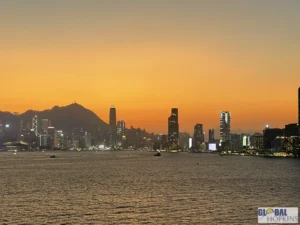
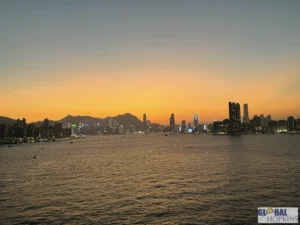
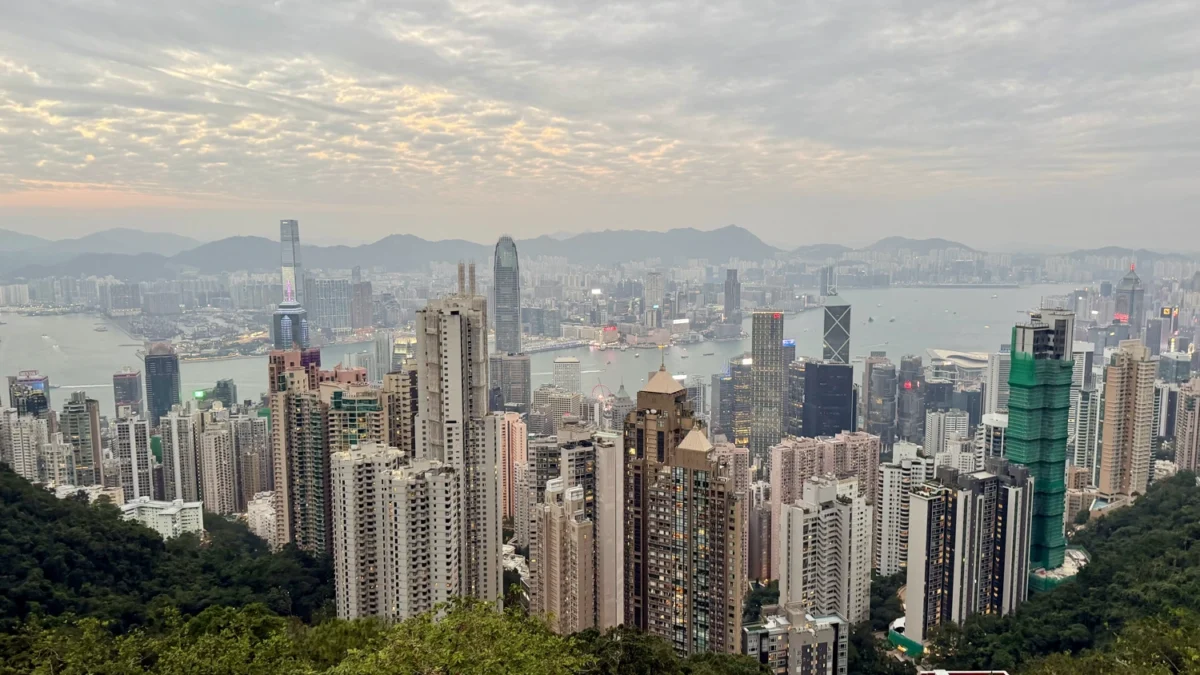
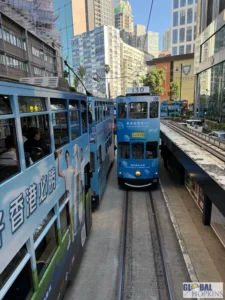
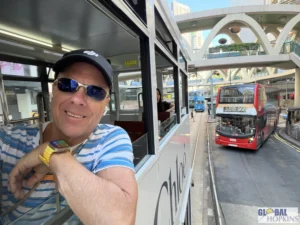
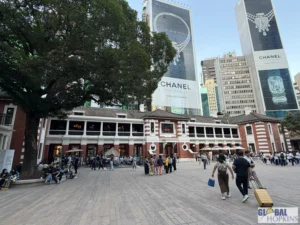
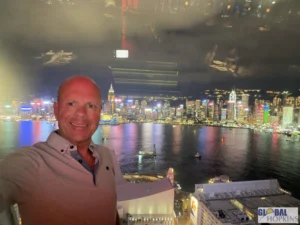
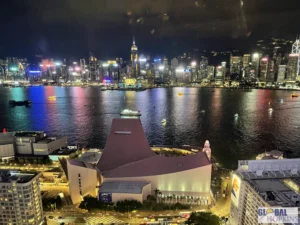
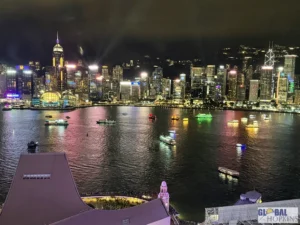
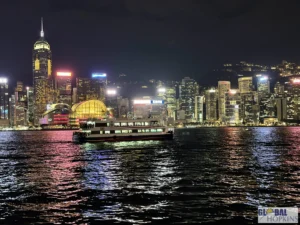
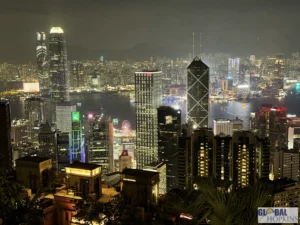
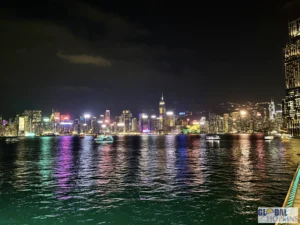
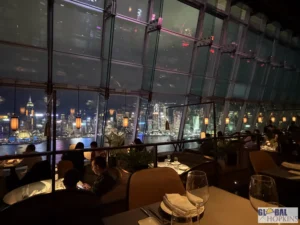
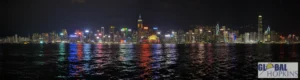
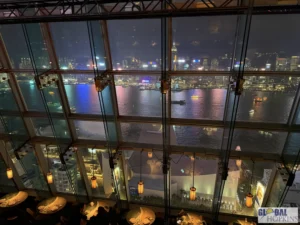
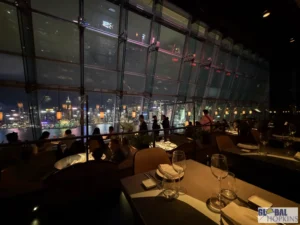
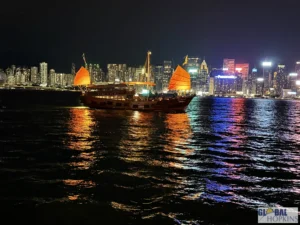
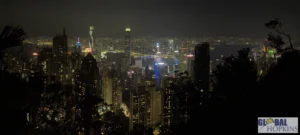
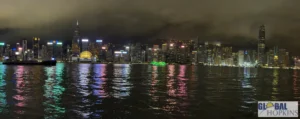
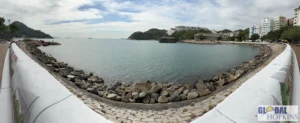
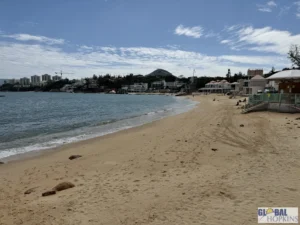
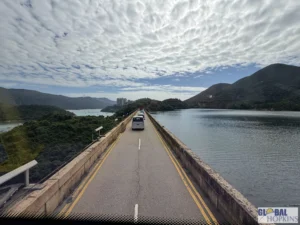
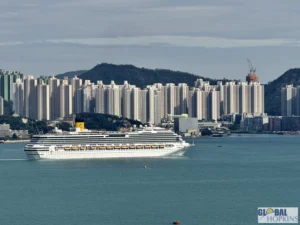
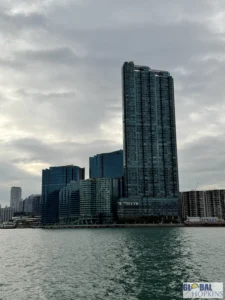
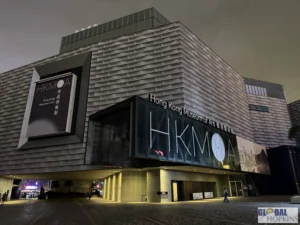
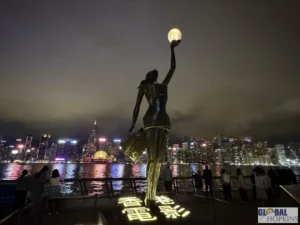
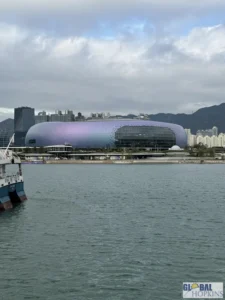
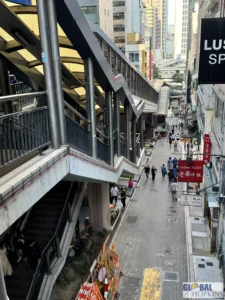
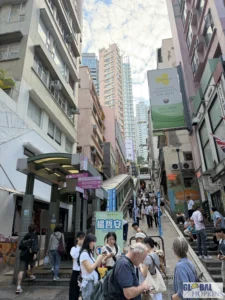
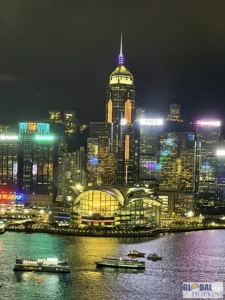
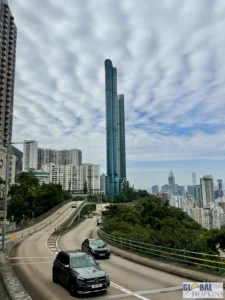
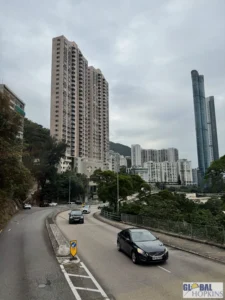
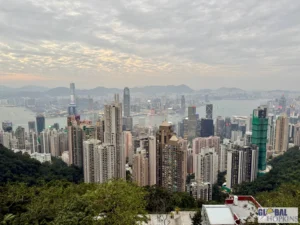
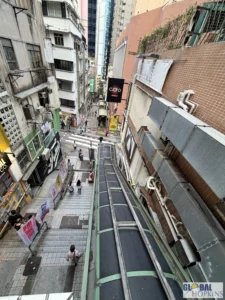
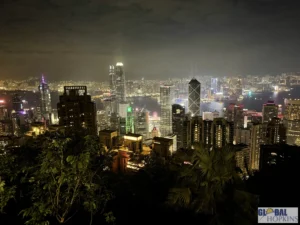
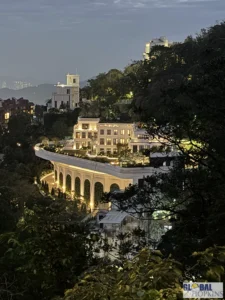
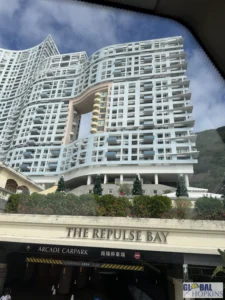
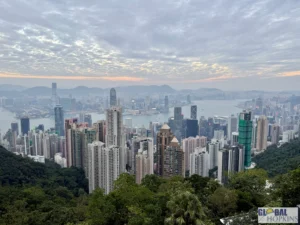
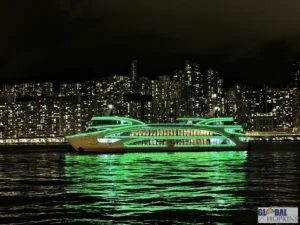
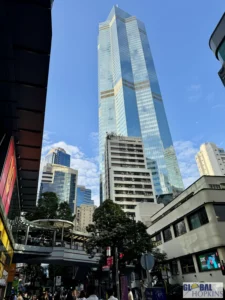
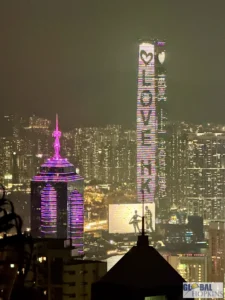
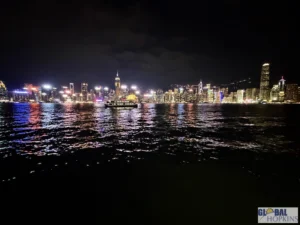
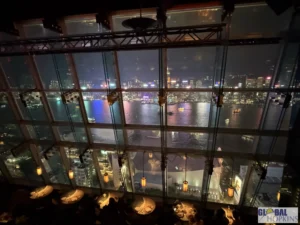
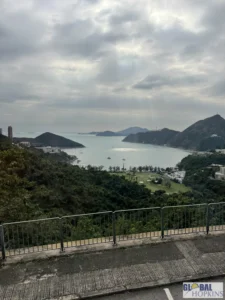
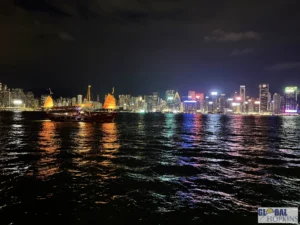
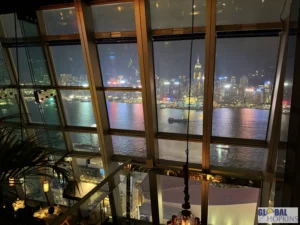
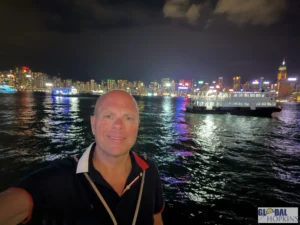
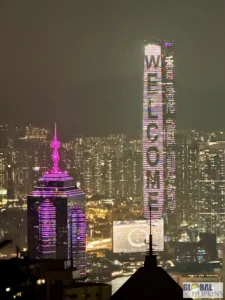
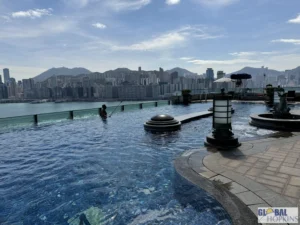
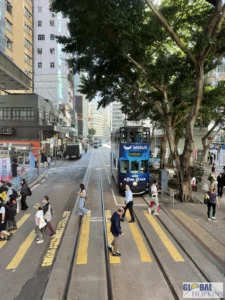
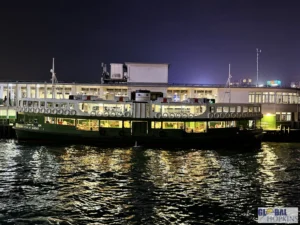
Hong Kong is a vibrant, densely populated coastal city and special administrative region on China’s southern coast, known globally as a major financial hub with a deep-water port, skyscraper-filled skyline, and dynamic cultural blend of East and West. Originally a British colony until 1997, it operates under the “one country, two systems” framework, giving it distinct legal and economic systems from mainland China. Its economy thrives on finance, trade, logistics, and professional services, supported by a highly skilled workforce and strategic location in Asia. Hong Kong’s culture reflects a fusion of Chinese traditions and international influences, evident in its cuisine, festivals, and bilingual environment (Cantonese and English). The city also faces ongoing challenges, including housing affordability, political tensions over governance and civil liberties, and periodic social movements. Despite these, Hong Kong remains a key global crossroads for business and travel, with a rich history and a lively urban character.

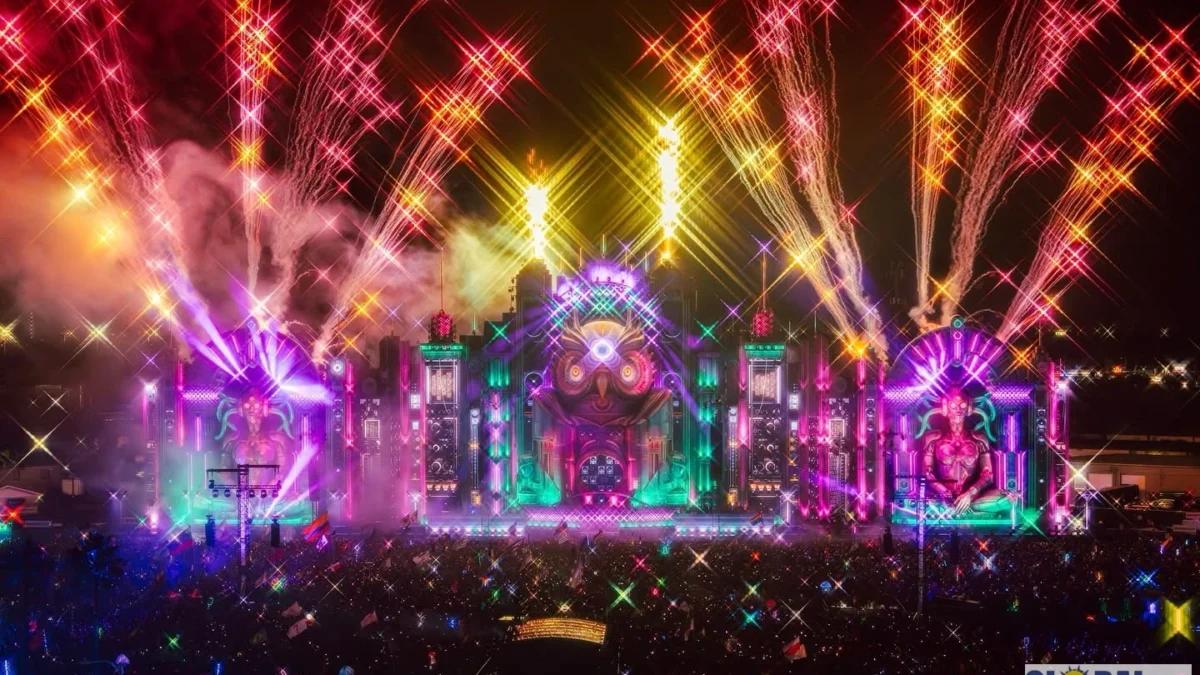
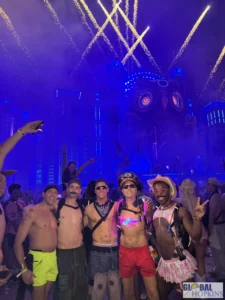
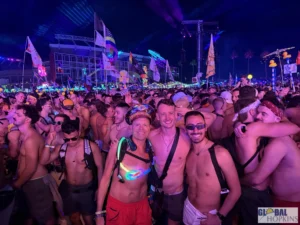
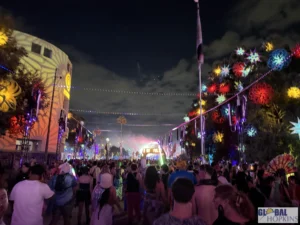
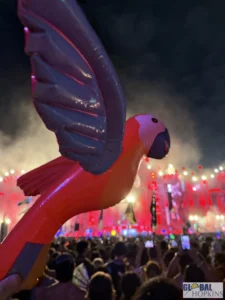
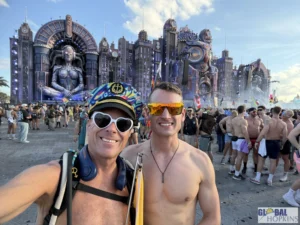
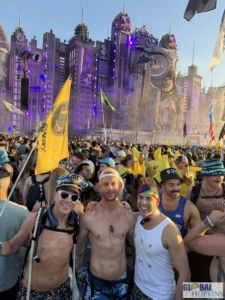
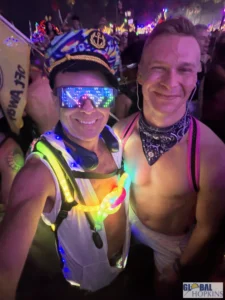
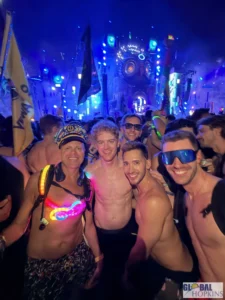
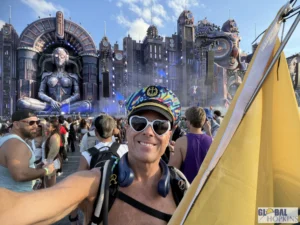
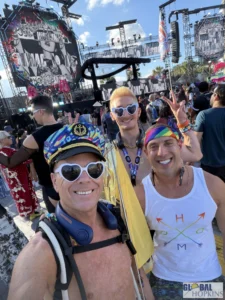
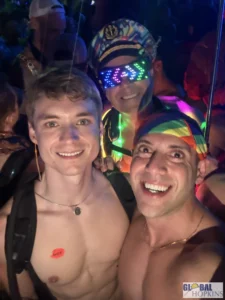
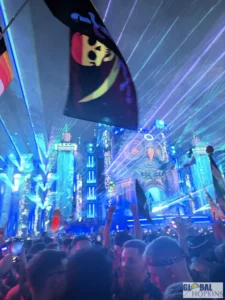
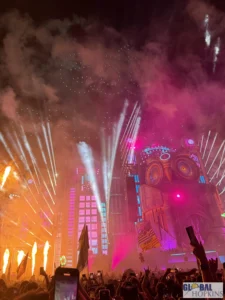
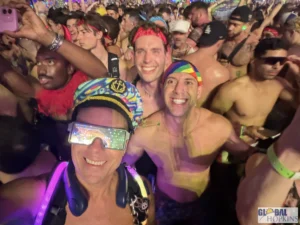
EDC Orlando (November 2025)

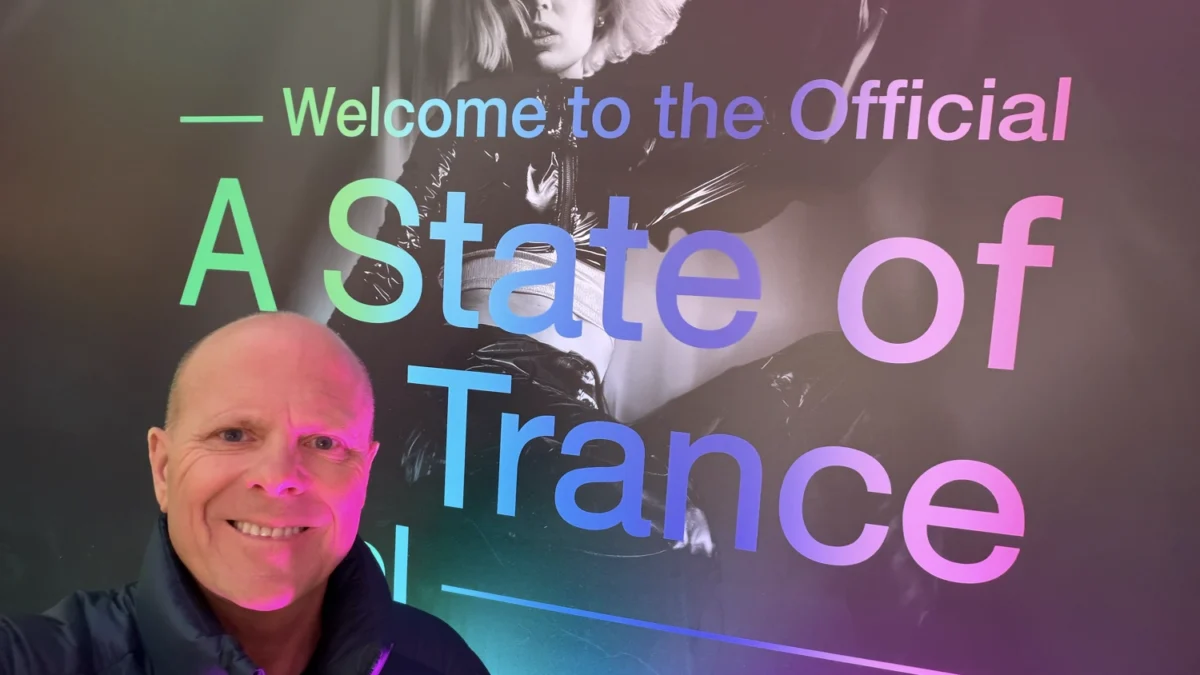
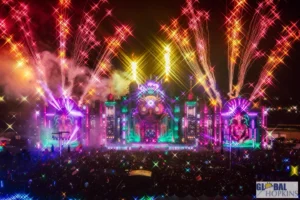
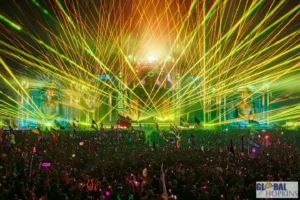
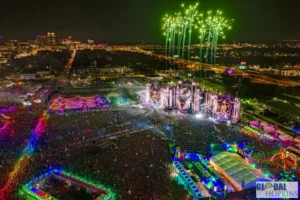
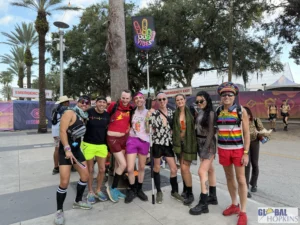
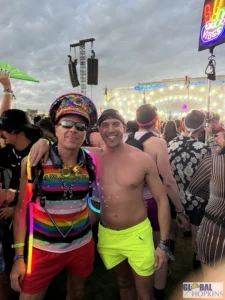
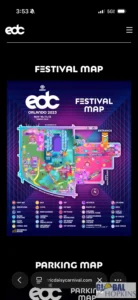
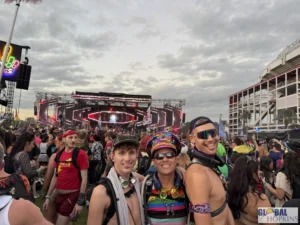
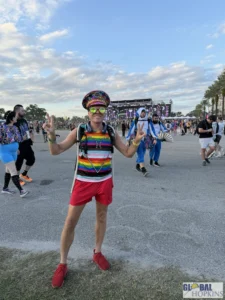
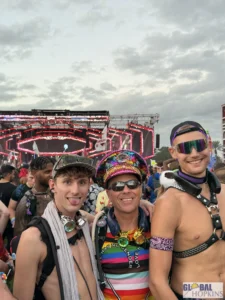
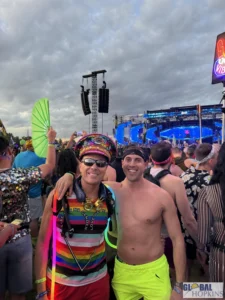
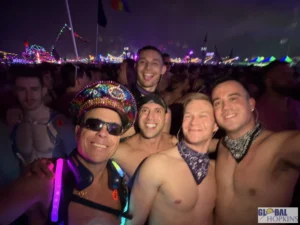
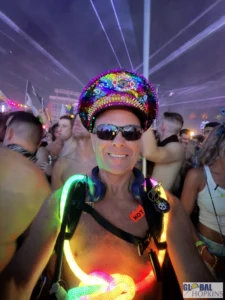
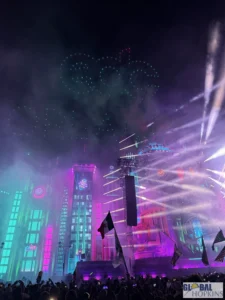
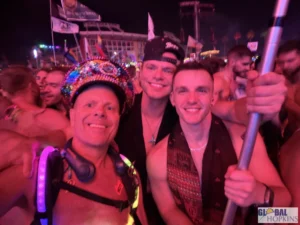
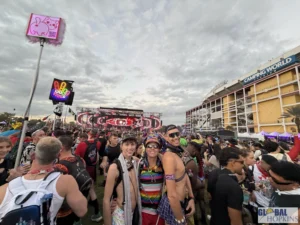
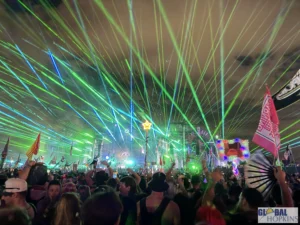
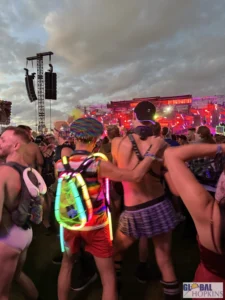
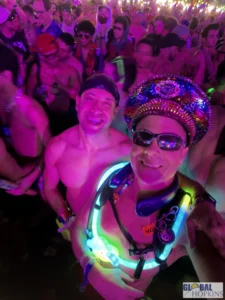
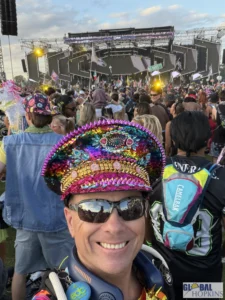
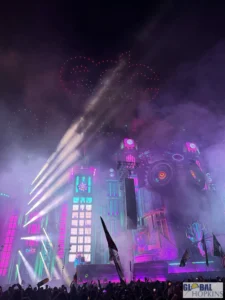
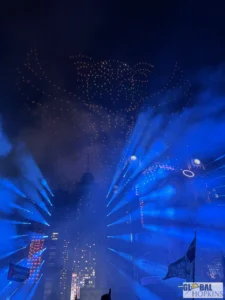
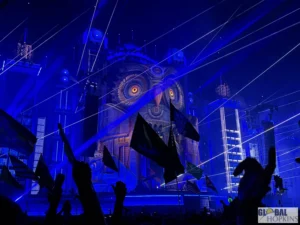
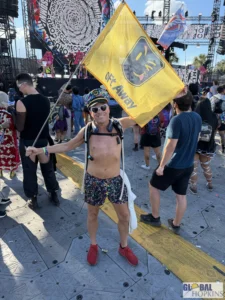
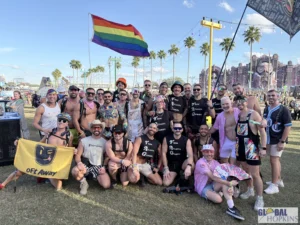
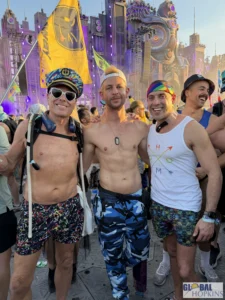
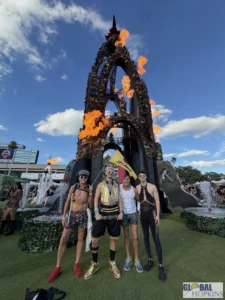
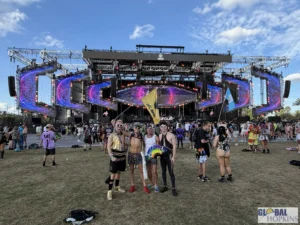
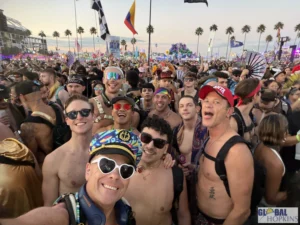
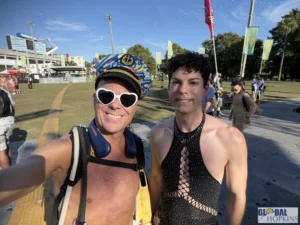
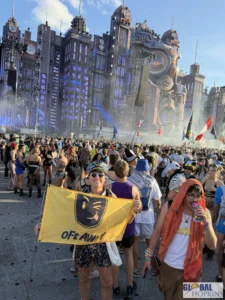
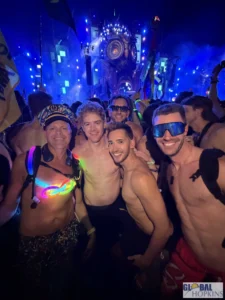
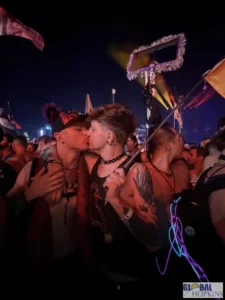
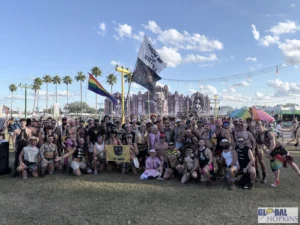
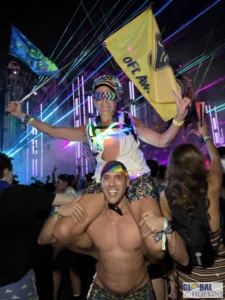
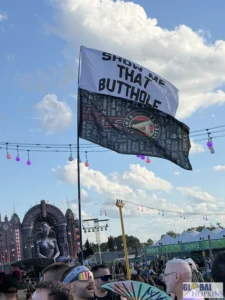
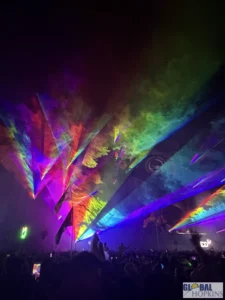
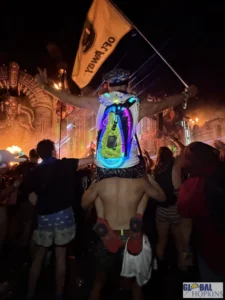
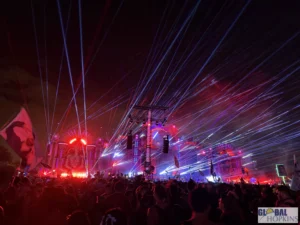
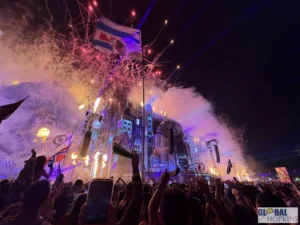
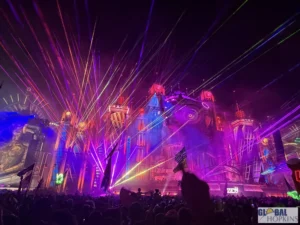
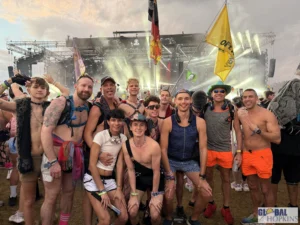
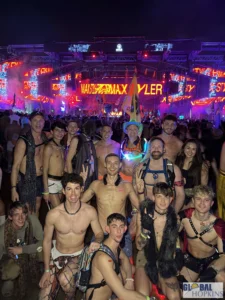
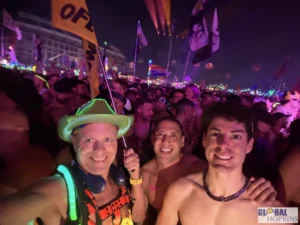
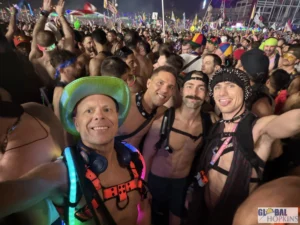
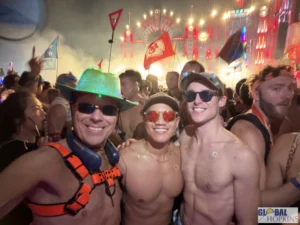
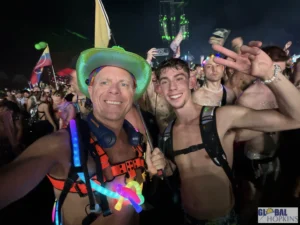
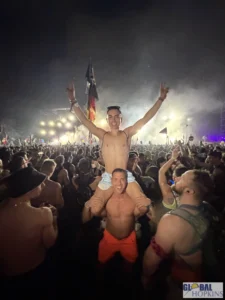
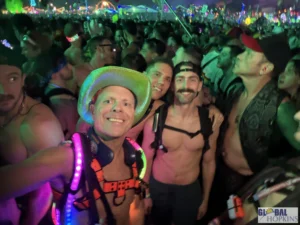
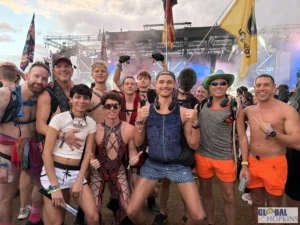
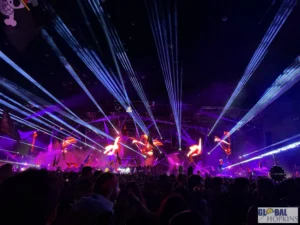
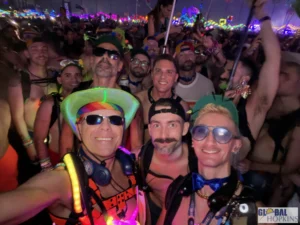
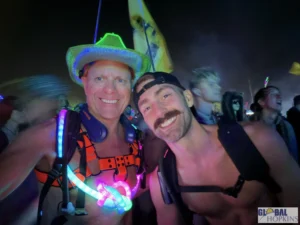
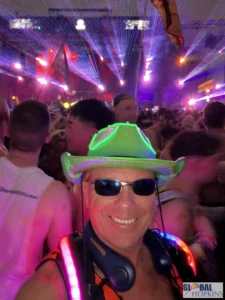
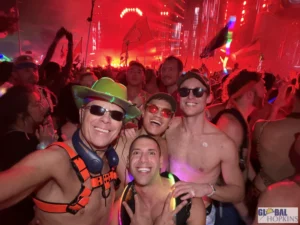
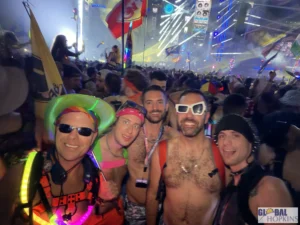
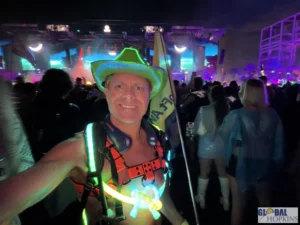
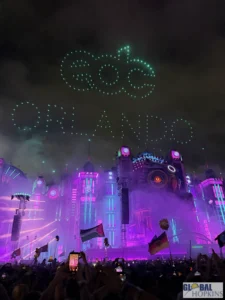
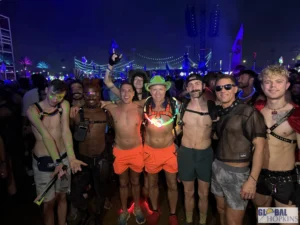
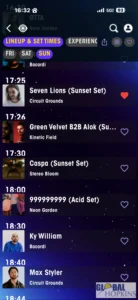
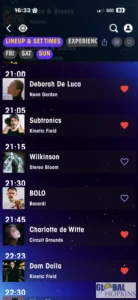
EDC Orlando 2025 took place November 7–9 at Tinker Field in Orlando, drawing roughly 300,000 attendees over three days for one of the largest EDM events in the Southeast. The festival featured more than 100 artists across house, techno, bass, trance, and mainstream EDM, with standout performances from major names like Zedd, Tiësto, Dom Dolla, DJ Snake, and special sunset and b2b sets that added variety to the weekend. Multiple large-scale stages, immersive art installations, carnival rides, and high-production visuals created the signature Electric Daisy Carnival atmosphere. Overall, EDC Orlando 2025 delivered a massive, visually striking festival experience that reinforced its status as a flagship EDM event, while highlighting logistical areas to improve in future editions.

DAY 1

DAY 2

DAY 3

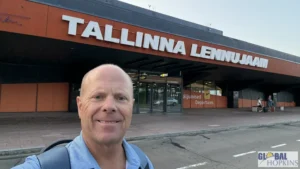
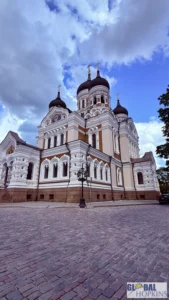
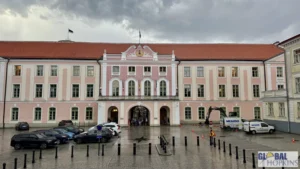
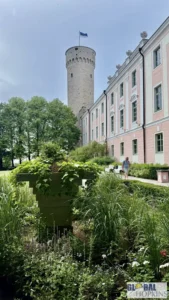
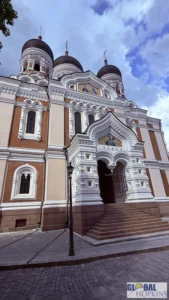
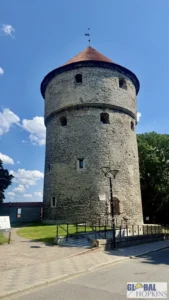
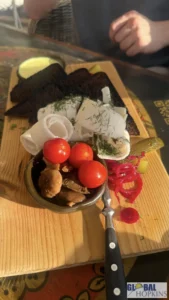
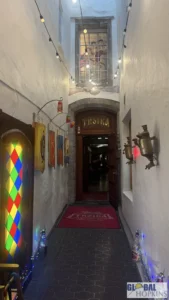
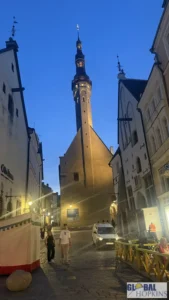
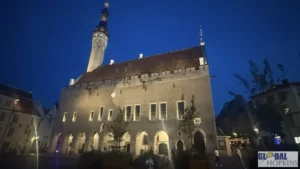
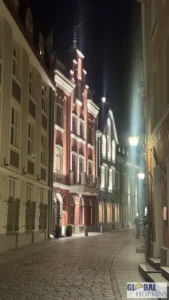
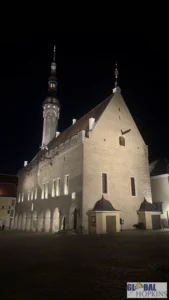
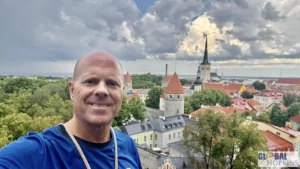
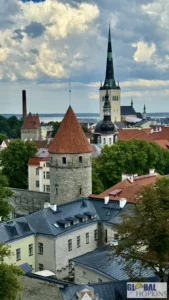
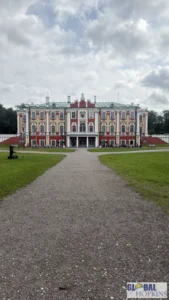
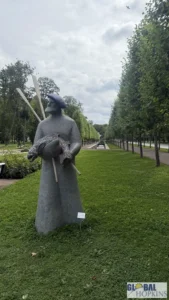
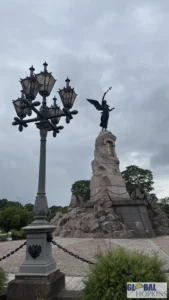
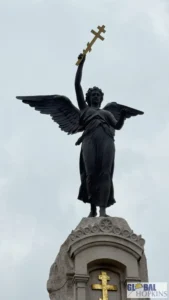
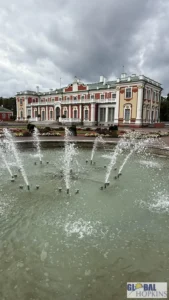
Tallinn, Estonia (Aug 2025)

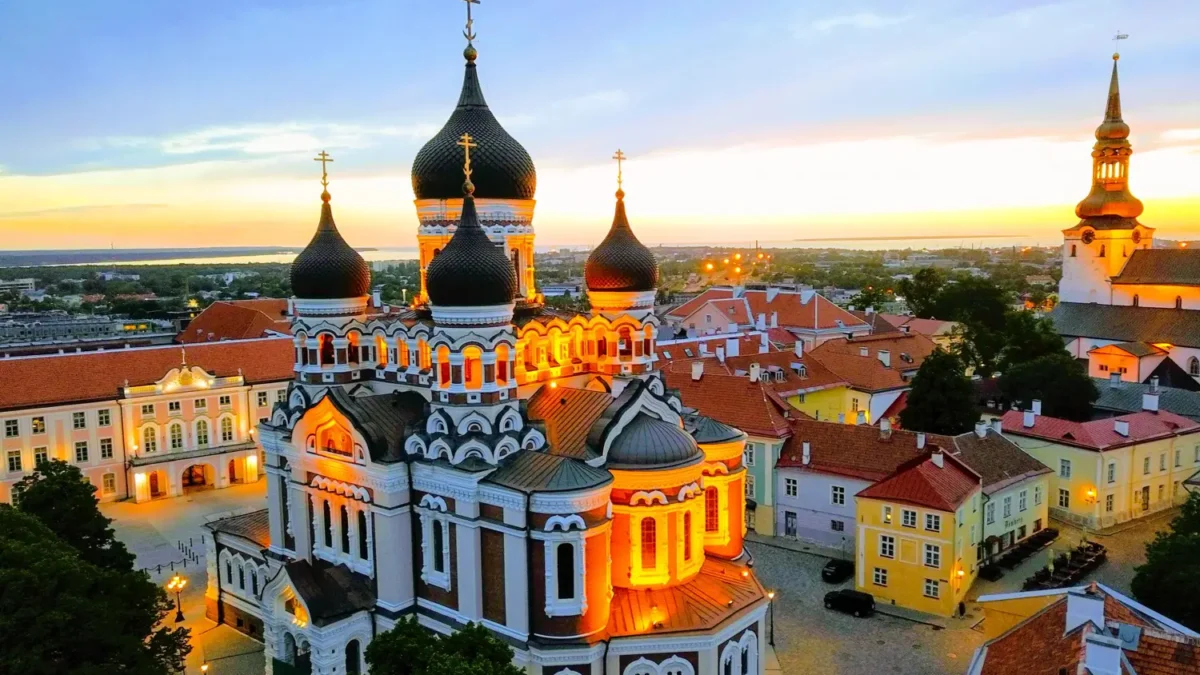
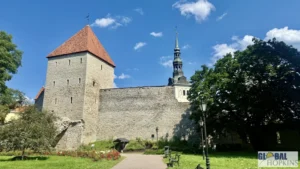
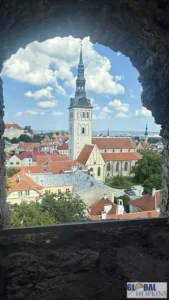
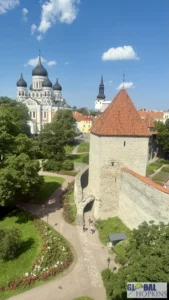
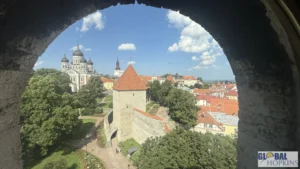
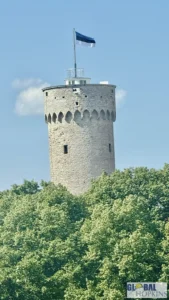
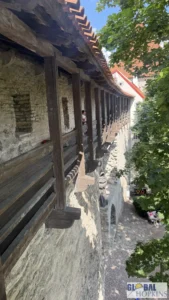
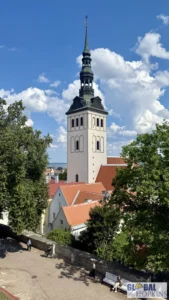
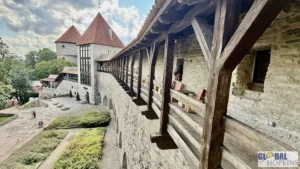
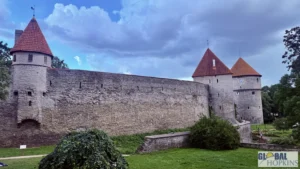
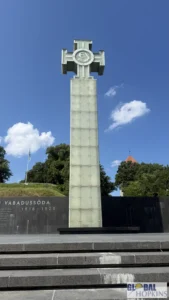
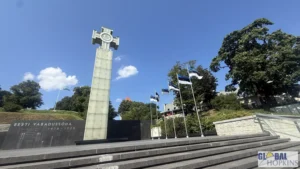
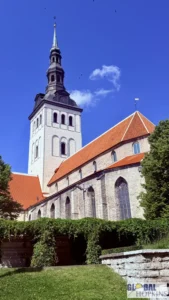
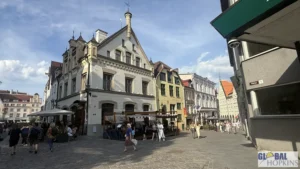
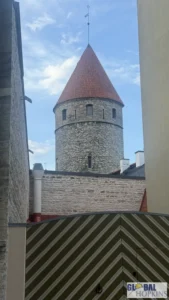
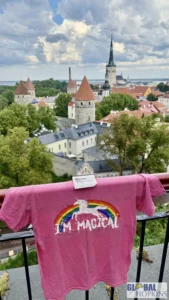
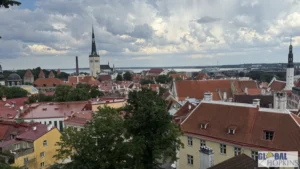
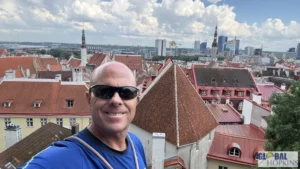
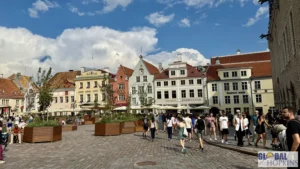
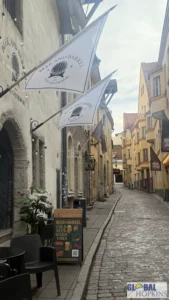
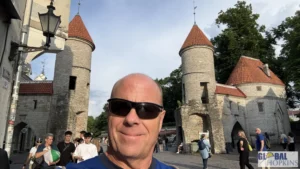
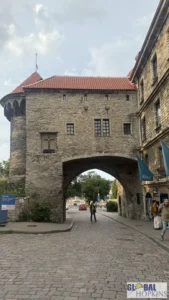
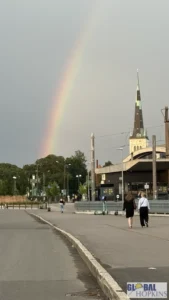
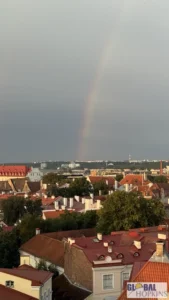
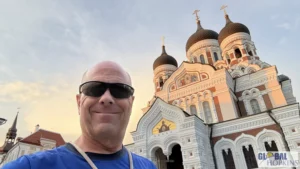
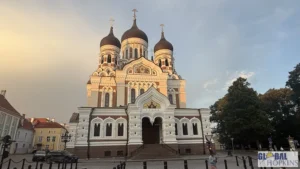
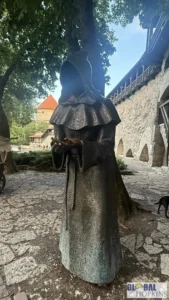
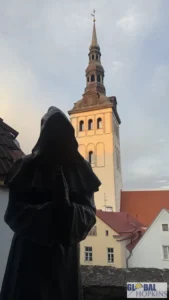
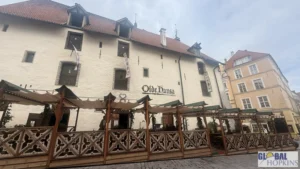
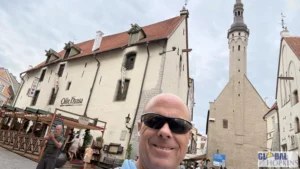
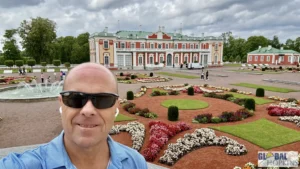
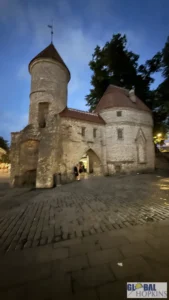
Tallinn, the capital and largest city of Estonia, is a vibrant blend of medieval charm and modern innovation. Situated on the southern coast of the Gulf of Finland, it serves as the political, economic, and cultural center of the country. Tallinn has a population of roughly 450,000 people in the city proper and over 800,000 in the metropolitan area.

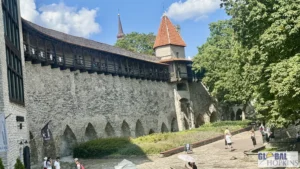
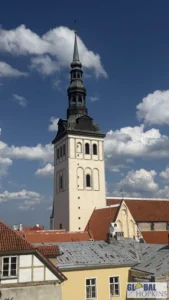
Founded in the 13th century, Tallinn’s Old Town is a UNESCO World Heritage Site, famous for its cobblestone streets, medieval towers, and well-preserved Hanseatic architecture. The city also boasts a thriving tech and startup scene, earning it the nickname “Silicon Valley of Europe”.

Tallinn seamlessly combines history and modernity: historic churches, city walls, and ancient guild halls sit alongside sleek glass skyscrapers and bustling cafés. With access to the Baltic Sea, ferry connections to Helsinki, and a growing cultural scene, Tallinn is both a historic treasure and a forward-looking European capital.

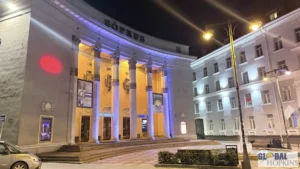
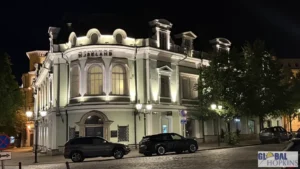
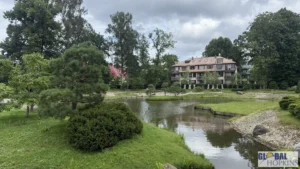
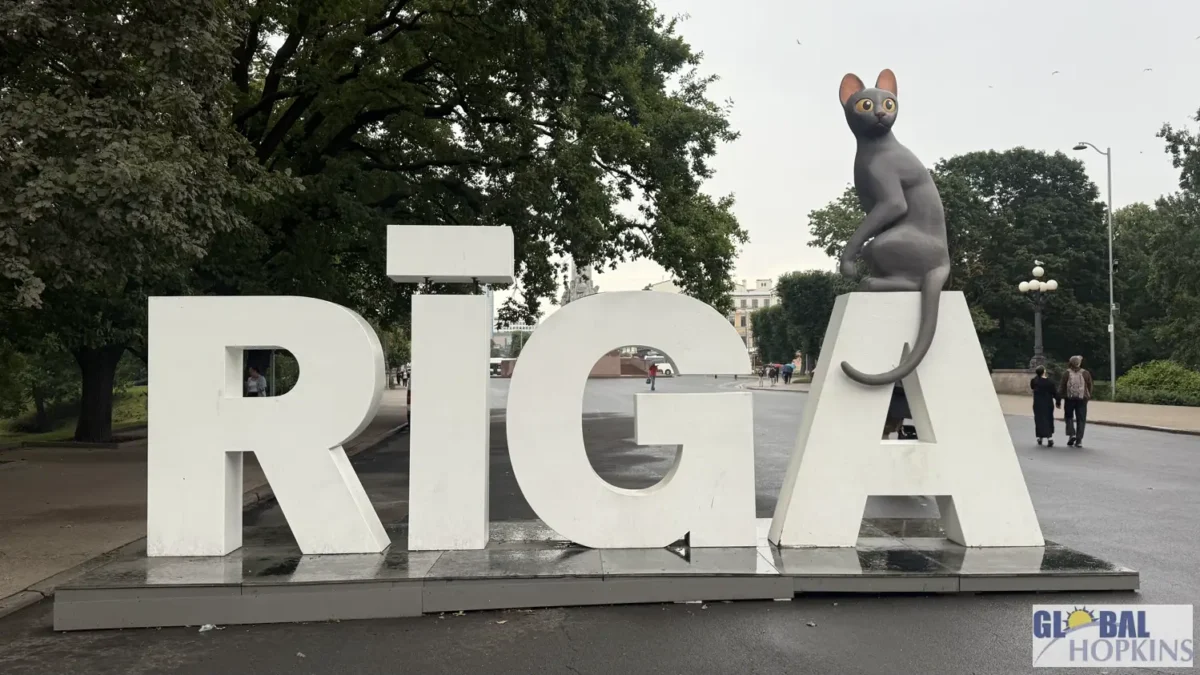
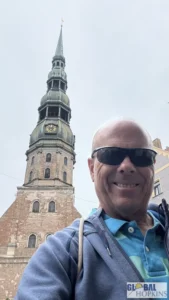
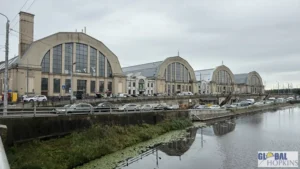
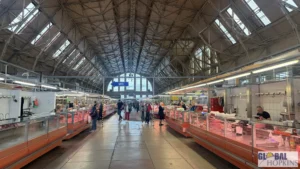
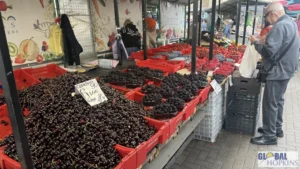
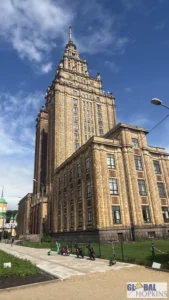
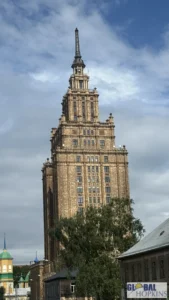
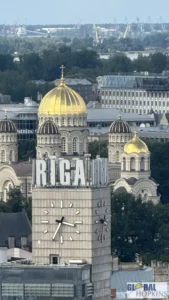
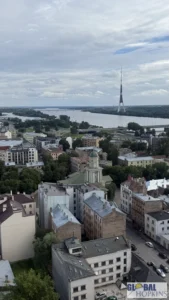
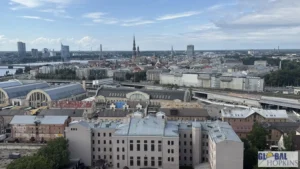
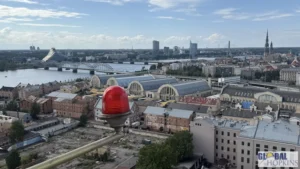
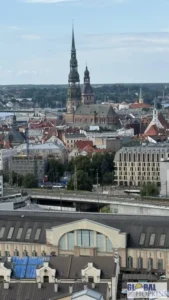
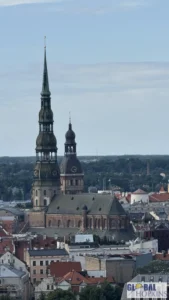
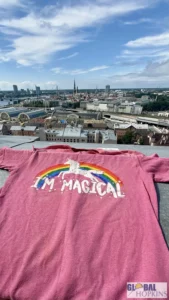
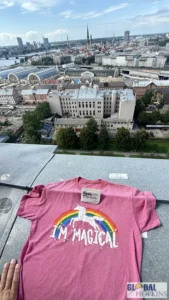
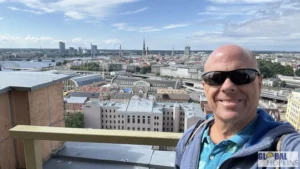
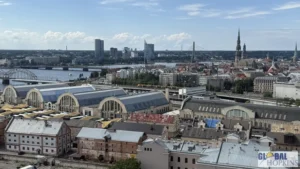
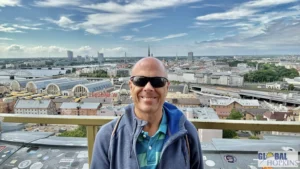
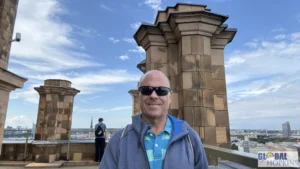
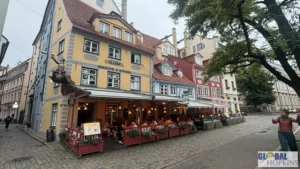
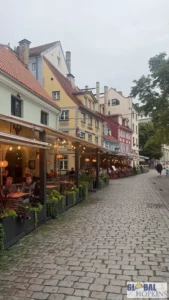
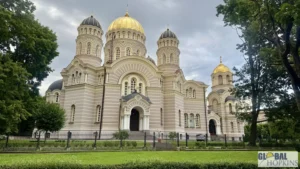
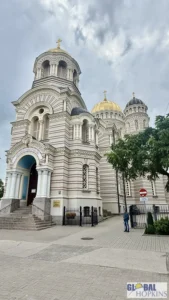
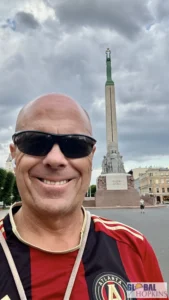
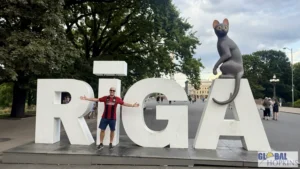
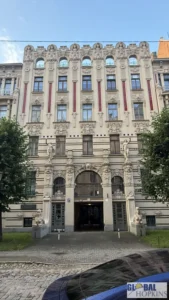
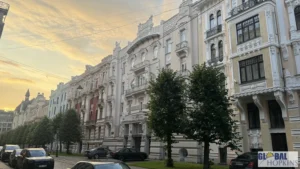
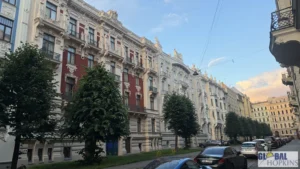
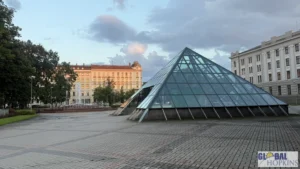
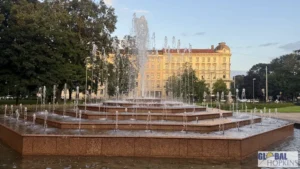
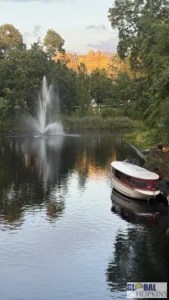
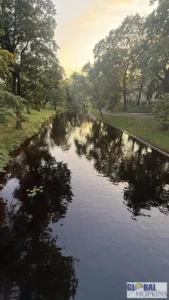
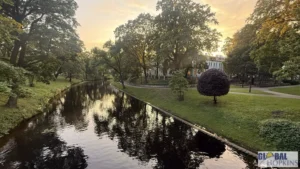
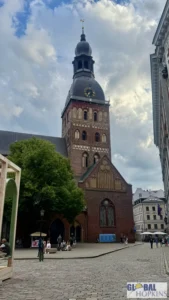
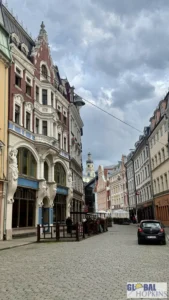
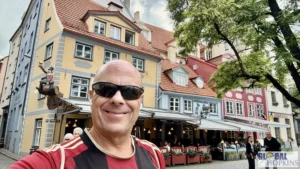
Riga, Latvia (Aug 2025)

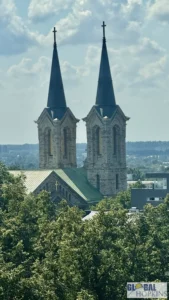
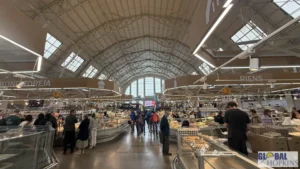
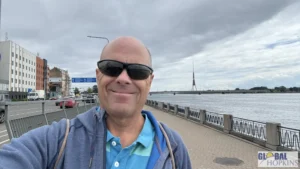
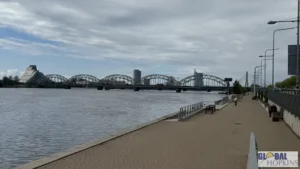
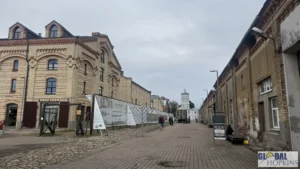
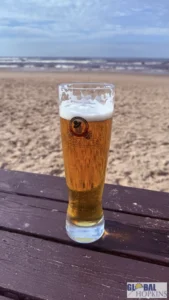
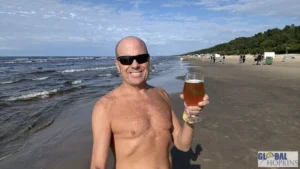
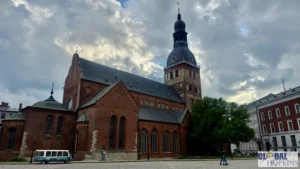
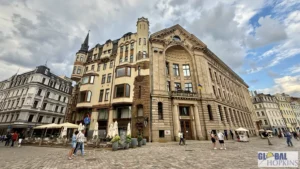
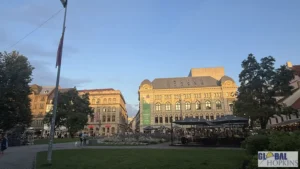
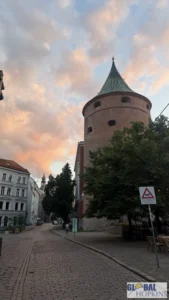
Riga, the capital and largest city of Latvia, sits at the mouth of the Daugava River along the Baltic Sea. It is the cultural, economic, and political heart of the country, with a population of roughly 630,000 people in the city proper and over 1 million in the metropolitan area.

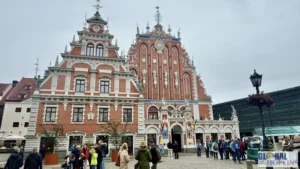
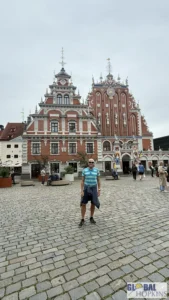
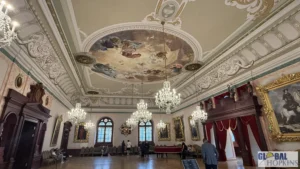
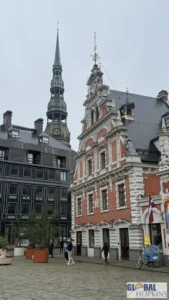
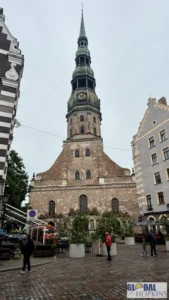
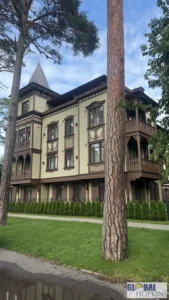
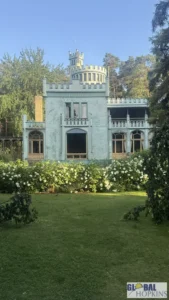
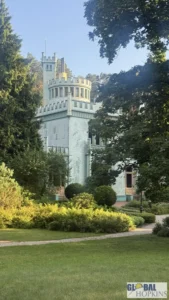
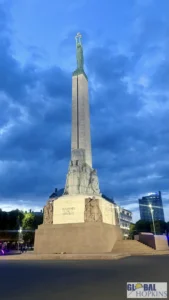
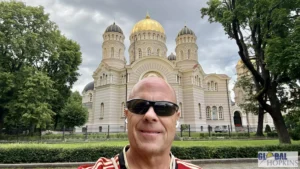
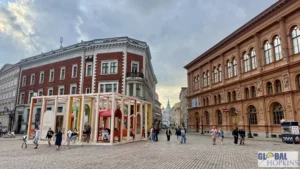
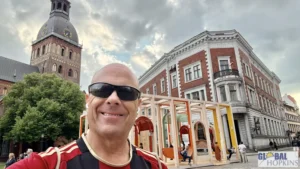
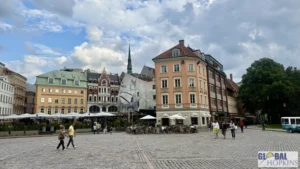
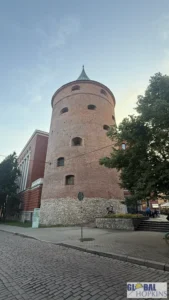
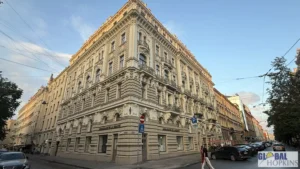
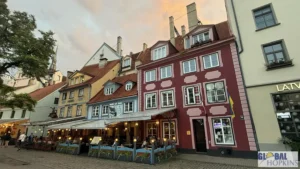
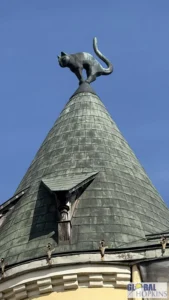
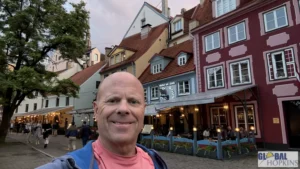
Founded in 1201, Riga has been shaped by German, Swedish, Polish, and Russian influences, which is reflected in its diverse architecture. The Old Town (Vecrīga) is a UNESCO World Heritage Site, featuring cobblestone streets, medieval churches, and colorful townhouses. Riga is particularly famous for its Art Nouveau district, considered one of the largest and finest collections in Europe.

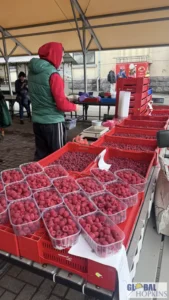
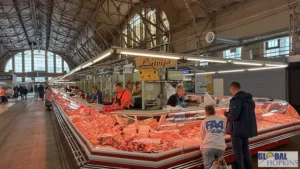
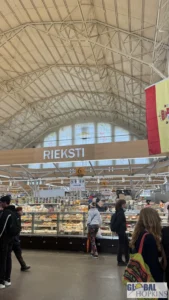
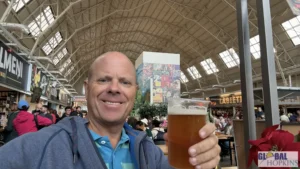
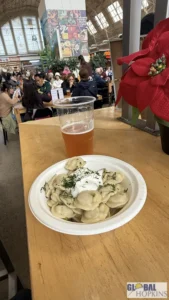
The city thrives as a hub for trade, finance, and tourism, offering museums, galleries, theaters, and a lively café culture. Surrounded by forests and rivers, Riga combines historic charm with modern vibrancy, making it a dynamic Baltic destination.

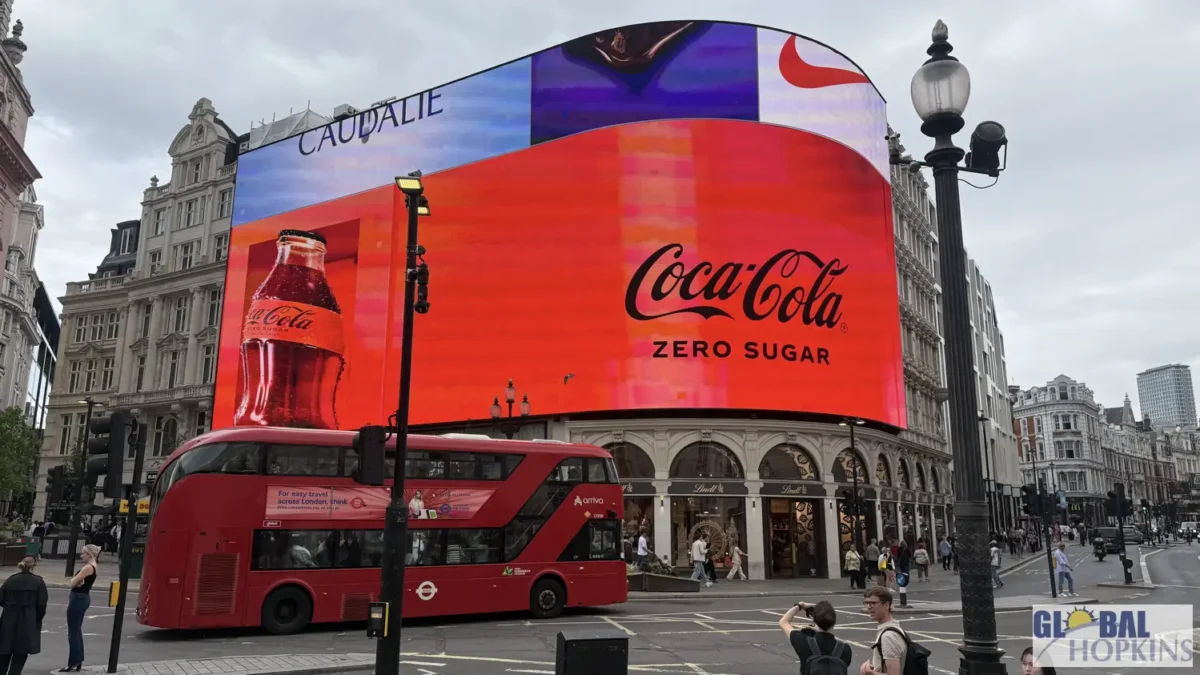
London – Soho, England (July 2025)

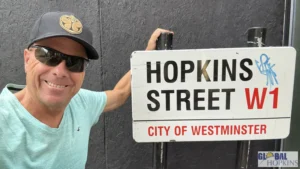
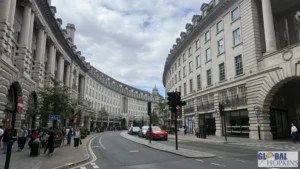
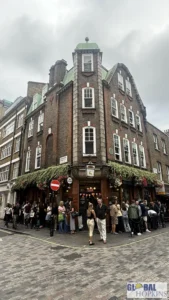
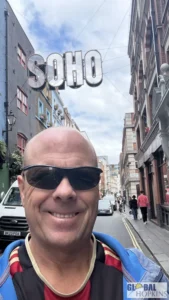
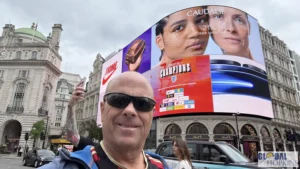
Soho is one of London’s most dynamic and historic districts, located in the West End within the City of Westminster. Once a hunting ground in the 16th century, it evolved into a diverse neighborhood known for theaters, nightlife, and cultural vibrancy.

From the mid-20th century onward, Soho became London’s entertainment hub, famous for its jazz clubs, record shops, independent cinemas, and LGBTQ+ venues. It also gained a reputation as the center of the UK’s music industry, with major record labels and iconic studios once based there.

Today, Soho is a lively mix of restaurants, bars, clubs, and creative industries. It’s known for its cosmopolitan food scene, with everything from Michelin-star dining to late-night street eats. Streets like Old Compton Street remain at the heart of London’s LGBTQ+ community, while Carnaby Street is synonymous with fashion and style, dating back to the Swinging Sixties.

Compact and walkable, Soho blends historic charm with modern energy, making it a must-visit destination for nightlife, culture, and people-watching in central London.

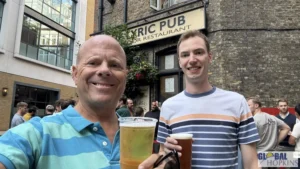
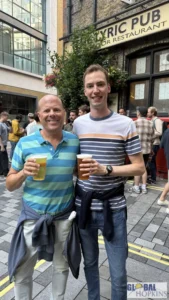
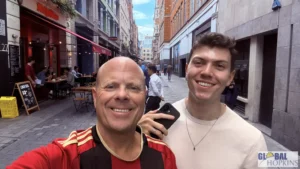
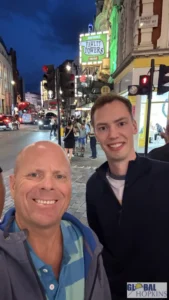
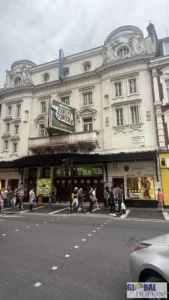
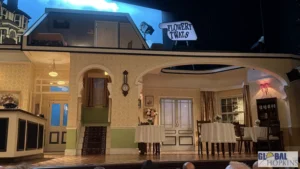
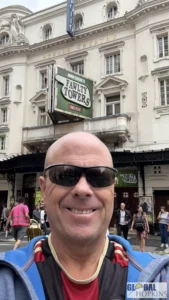
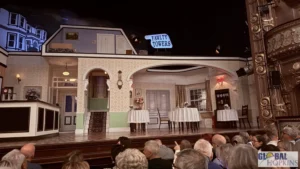
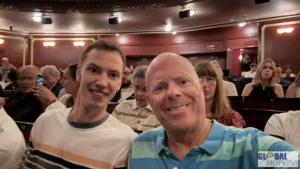
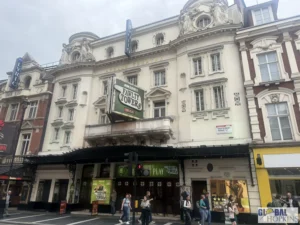
I met up with two good friend – Guy Blacklee to see Fawlty Towers in the West End and I met Ben Firullo for a delicious Indian lunch at Dishoom Carnaby

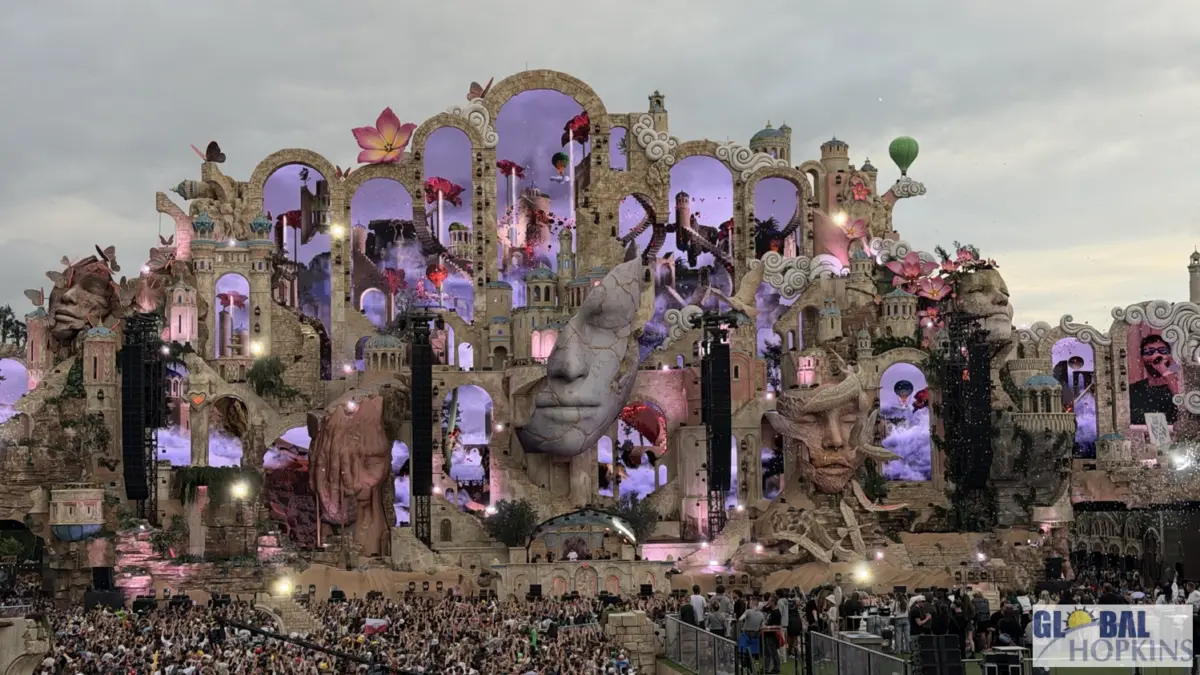
Tomorrowland – Belgium (July 2025)w2

Tomorrowland, held annually in Boom, Belgium, is not just a music festival—it’s a global spectacle that blends EDM, fantasy, and theatrical artistry into one unforgettable experience. First launched in 2005 as a modest one-day event, it has since blossomed into one of the world’s most celebrated music gatherings, drawing around 400,000 “People of Tomorrow” over two weekends each summer.

Set in the lush grounds of De Schorre, the festival transforms the landscape into an enchanting realm of stages, wonderlands, and themed realms that shift every year. In 2025, the theme is “Orbyz”—an icy fantasy universe awakening beneath ancient glaciers  . Each edition features an expansive lineup of globally renowned DJs—spanning house, trance, techno, hardstyle, and more—performing across multiple immersive stages.

But Tomorrowland goes beyond music. It offers a storytelling experience full of theatrical sets, cosplay-like attendees, and communal magic. It’s a worldwide gathering united by creativity, joy, and shared musical love  .

In 2025, the festival faced an unexpected challenge: the main stage caught fire just days before opening, yet organizers adapted swiftly—mobilizing technical crews and even borrowing structures from a Metallica tour—to ensure the festival continued with minimal disruption

AspectDetails
LocationDe Schorre recreation area, Boom (between Brussels and Antwerp)
TimingTwo weekends in July, Friday to Sunday, with pre-parties Thursday evening
Crowd SizeApprox. 400,000 attendees over both weekends  
2025 ThemeOrbyz – a mythical icy world revealed from beneath glaciers
Stages & Music15–16+ stages hosting 600+ international artists across genres
Camping (DreamVille)Festival’s themed campsite functioning as a mini-city with varied tiers
AccessibilityReachable via Boom station; shuttle buses from station to festival and DreamVille  
TicketingRequires pre-registration; ticket types include weekend passes, day passes, VIP, DreamVille package, Global Journey packages  
Incident 2025Main stage fire during setup; rebuilt in under 48 hours with modular structures  
Unique FeatureFitness zone with gym, wellness spaces, yoga and boxing classes

Antwerp, Belgium (July 2025)

Antwerp is Belgium’s second-largest city (after Brussels) and a major cultural and economic hub, located on the River Scheldt about 25 miles from the North Sea. With a population of roughly 550,000 in the city and over 1 million in the metropolitan area, it is the capital of the province of Antwerp in the Flemish Region.

The city is world-famous for its diamond district, handling the majority of the world’s rough and polished diamonds, and for having one of Europe’s busiest ports, making it a powerhouse of trade and industry.

Culturally, Antwerp is renowned as the home of Baroque painter Peter Paul Rubens, whose works can still be seen in local museums and churches. Its medieval old town features the Cathedral of Our LadyGrote Markt (main square), and guild houses, while modern Antwerp is known for its fashion scene, avant-garde design, and vibrant nightlife.

Antwerp blends historic charm and cutting-edge creativity, offering world-class museums, stylish shopping, and a cosmopolitan atmosphere while remaining deeply tied to its roots as a port city.

Bucharest, Romania (July 2025)

Bucharest, the capital of Romania, is a lively mix of old and new. Nicknamed the “Little Paris of the East” for its early 20th-century architecture and boulevards, it blends grand Belle Époque buildings with stark Communist-era blocks and modern glass towers. The city is home to the Palace of Parliament, one of the largest buildings in the world, and the charming Old Town (Lipscani) with cobblestone streets, lively cafés, and historic churches. Bucharest also boasts leafy parks, museums, and a vibrant nightlife scene, making it a dynamic gateway to Romanian culture and history.

Basic Facts & Demographics

  • Population (city proper): According to the 2021 census, Bucharest’s population stands at around 1,716,961  .Estimates for 2024–2025 show a slight decline, with figures ranging from 1.72 million to 1.76 million  .
  • Metro Region: The wider Bucharest–Ilfov region, which includes surrounding Ilfov County, had a population of approximately 2,259,665 as of the 2021 census  .
  • Density & Scope: The city covers about 238 km² with a high population density of around 7,200 inhabitants per km²  .
  • Commuters: On some days, Bucharest’s daily population swells to over 3 million, factoring in commuters from surrounding areas  .

Sofia, Bulgaria (July 2025)

Sofia, the capital of Bulgaria, is a city where deep history meets modern energy. Nestled in the Sofia Valley at the foot of Vitosha Mountain, it is one of Europe’s oldest cities, with roots going back over 7,000 years. Known in antiquity as Serdica, it has been shaped by Thracian, Roman, Byzantine, Ottoman, and Bulgarian influences, leaving behind landmarks like the Roman ruins of Serdica, the Alexander Nevsky Cathedral, and Ottoman-era mosques.

Today, Sofia is home to about 1.3 million people and serves as the economic, cultural, and political hub of Bulgaria, generating more than 40% of the nation’s GDP. The city blends monumental 19th–20th century architecture with Communist-era blocks and sleek modern towers. With its universities, museums, lively café culture, and proximity to mountain hiking and skiing, Sofia is both a vibrant European capital and a gateway to Bulgaria’s rich history and landscapes.

Sofia – Key Facts & Demographics

  • Country: Bulgaria
  • Status: Capital and largest city of Bulgaria
  • Founded: Settled as early as 7th millennium BCE; became capital in 1879
  • Location: Sofia Valley, at the foot of Vitosha Mountain

🧑‍🤝‍🧑 Population

  • City proper (2024 est.): ~1.29 million
  • Urban area: ~1.53 million
  • Metropolitan region: ~1.62 million
  • Density: ~6,400 people per km²
  • Sofia is the 12th largest city in the EU by population within city limits.

📐 Area

  • Total area: ~492 km²

💶 Economy

  • GDP (2023 est.): ~€40.6 billion
  • GDP per capita (PPP, 2023): ~€31,600
  • Contributes ~42% of Bulgaria’s national GDP
  • Economy led by services (finance, IT, trade), followed by industry

🌍 Demographics

  • Ethnic composition (city & metro area):
    • Bulgarians: ~87%
    • Roma: ~2–3%
    • Turks: ~1%
    • Others (Armenians, Greeks, Russians, etc.)
  • Religion: Majority Eastern Orthodox; also Muslim, Catholic, Protestant, and Jewish minorities
  • Median age: ~42 years
  • Languages: Bulgarian (official); English widely spoken in business & tourism

Yacht Week Croatia (July 2025)

Yacht Week Croatia is a week-long sailing festival along the stunning Dalmatian coast, combining yachting, island-hopping, and nonstop social events. Established in the mid-2000s, it has become the flagship route of The Yacht Week brand, attracting mostly young, international travelers.

In 2025 participants rented 32 yachts (usually with a skipper, sometimes with a host) and sailed in a flotilla around the islands. The route departed from Trogir (near Split) and included famous Croatian islands such as Hvar, Vis, and Bol. Days were spent swimming in hidden coves, exploring historic seaside towns, and enjoying local food and wine, while nights featured beach parties, open-air clubs, and raft parties where yachts were anchored together.

Our Oft Away Crew

Joe Tomlin
Jake Rauls
Kris Kostura
Alex Scott
Mike Hopkins
Chris Pendl
Tyler Houston
Trey Caldwell
Brittney Klein
Allie Hock
James McDonald
Jimmy Georgas
John Ayre – Captain
Nela Cvijanović – Host

UltraEurope – Split & Trogir, Croatia (July 2025)

Split, Croatia’s second-largest city, is a vibrant coastal hub on the Adriatic Sea, famed for its mix of ancient history and lively Mediterranean culture. At its core lies Diocletian’s Palace, a UNESCO World Heritage Site built by the Roman emperor in the 4th century, around which the modern city grew. Within the palace walls, narrow stone streets bustle with cafés, shops, and markets, blending antiquity with daily life.

Today, Split has about 180,000 residents and serves as the economic and cultural center of Dalmatia. Its harbor makes it a major transport link to the Adriatic islands, while nearby beaches, lively nightlife, and access to national parks make it one of Croatia’s most popular destinations. Split is both a living Roman monument and a modern seaside city, offering a unique balance of history, tradition, and modern coastal charm.

Trogir, Croatia, is a UNESCO World Heritage Site and one of the best-preserved medieval towns in Europe. Located on a small island connected by bridges to the mainland and to Čiovo Island, Trogir has been continuously inhabited for over 2,300 years. Its rich history reflects influences from the Greeks, Romans, Venetians, and Austrians.

The town is famous for its Romanesque and Renaissance architecture, with highlights such as the Cathedral of St. Lawrence and the Kamerlengo Fortress. Its narrow stone alleys, charming squares, and seafront promenade create a timeless Mediterranean atmosphere.

Though small (population ~13,000), Trogir is a lively cultural hub and a popular stop for travelers exploring the Dalmatian coast. With its proximity to Split (about 25 km away) and Split Airport, Trogir is both easily accessible and a gateway to nearby islands.

Ultra Europe is one of the world’s biggest electronic music festivals, held every July in Split, Croatia. Launched in 2013 as part of the global Ultra Music Festival brand (originating in Miami), it has grown into a massive multi-day event that attracts over 100,000 fans from around the world.

The festival’s main stage is set inside Park Mladeži Stadium in Split, featuring world-class DJs and producers from genres like EDM, house, techno, and trance. Alongside the stadium shows, Ultra Europe also includes “Destination Ultra” events such as yacht parties, beach raves, and after-parties on nearby islands like Hvar, Brač, and Vis, turning the Dalmatian coast into a weeklong electronic music hotspot.

Known for its high-energy atmosphere, cutting-edge stage design, and international crowd, Ultra Europe has become both a premier music event and a tourism magnet, combining festival culture with the stunning backdrop of Croatia’s Adriatic coastline.

Electric Forest – June 19-22, 2025

Rothsbury Michigan

Electric Forest is a multi-day music and arts festival held annually in Rothbury, Michigan, usually in late June. Launched in 2011 (building on the earlier Rothbury Festival), it is known for blending electronic music, jam bands, and immersive art experiences in a magical woodland setting.

The centerpiece is the Sherwood Forest, a wooded area transformed into a glowing, interactive wonderland with LED installations, art exhibits, hammocks, hidden stages, and secret performances. Music spans EDM, house, techno, dubstep, and live improvisational acts, drawing top international DJs alongside experimental artists.

Electric Forest is more than a music festival—it’s a community experience, emphasizing creativity, sustainability, and connection. Attendees often describe it as transformational, with a strong emphasis on art, costuming, and positive vibes.

With attendance around 40,000–50,000 people, it has become one of the most iconic festivals in the U.S., combining high-energy performances with the surreal beauty of a glowing enchanted forest.

DC World Pride (June 2025)

DC WorldPride 2025 took place in Washington, DC from June 5 – 8, 2025, marking the 50th anniversary of Pride celebrations in the capital and aligning with the global WorldPride campaign organized by InterPride  . Themed “The Fabric of Freedom,” the event wove together diverse identities, resilience, and pride—symbolizing collective strength and unity amid rising global challenges to LGBTQ+ rights  .

This multi-week festival featured a wide-ranging program: concerts, cultural events, a human rights conference, sports, exhibitions, and the parade—bringing together millions of attendees and generating an estimated $787 million in economic impact for the region

Pensacola Beach – Memorial Day Weekend (May 2025)

Pensacola’s Gay Memorial Day Weekend, often referred to as Memorial Weekend Pensacola, is the largest LGBTQ+ Memorial Day celebration in North America. Held on the white sands of Pensacola Beach, this vibrant gathering attracts tens of thousands each year to celebrate identity, community, and summer’s kickoff.

Beach Culture & Camp

By day, the east side of Pensacola Beach becomes a vivid “tent city”—a rainbow runway of shade tents, themed decor, Free drinks, music, and creative expressions everywhere. It’s where strangers become friends, and Pride feels truly communal  .

Nightlife & Circuit Parties

As the sun sets, the energy ignites. Circuit parties—hosted under massive tents at Park East—run late into the morning, featuring top DJs, immersive lighting, and theatrical flair. These events are often alcohol-free  .

Inclusivity & Culture

From same-sex commitment ceremonies on the sand to welcoming local bars like The Cabaret and The Roundup, Pensacola offers both high-octane fun and more relaxed community spots  . The weekend fosters a sense of reunion—many attendees return annually to reconnect with their “chosen family” 

Atlantis Events – Club Med – Cancun (April/May 2025)

Atlantis Events Club Med Cancun is a luxury all-gay resort takeover organized by Atlantis Events, the world’s largest LGBTQ+ vacation company. The event transforms the five-star beachfront Club Med resort in Cancun, Mexico into a week-long celebration of community, entertainment, and relaxation.

During Atlantis Cancun, the resort is reserved exclusively for Atlantis guests, creating a welcoming and inclusive environment. Days are spent enjoying pool parties, beach activities, excursions, and water sports, while evenings feature world-class DJs, themed dance parties, drag shows, and cabaret-style entertainment. Atlantis also brings in celebrity performers, comedians, and Broadway talent to round out the nightlife.

The atmosphere is a mix of luxury vacation and high-energy festival, with all-inclusive dining, open bars, and curated excursions to nearby attractions like Mayan ruins and cenotes.

British Virgin Islands (April 2025)

The British Virgin Islands (BVI) are a British Overseas Territory in the Caribbean, located east of Puerto Rico and the U.S. Virgin Islands. The archipelago is made up of about 60 tropical islands and cays, with the main inhabited ones being Tortola, Virgin Gorda, Anegada, and Jost Van Dyke.

The BVI are known for their white-sand beaches, turquoise waters, coral reefs, and sailing culture—it’s considered one of the world’s premier yachting and boating destinations. Popular attractions include The Baths on Virgin Gorda (giant granite boulders forming pools and grottos), the lively beach bars of Jost Van Dyke, and pristine nature on Anegada.

The population is about 30,000 people, with the capital Road Town located on Tortola. English is the official language, the U.S. dollar is the currency, and tourism—especially luxury tourism and sailing—drives much of the economy, alongside offshore financial services

From April 4-14 – we celebrated my friend Michael Turner’s 40th Birthday in British Virgin Islands by renting 2 catamarans. Over 7 days we sailed island to island eating lobster while drinking Painkillers and Bushwackers.

Pacific Coast / Covelo / San Francisco (March 2025)

Oregon – Silver Falls State Park (Mar 2025)

Silver Falls State Park is the largest state park in Oregon, spanning over 9,000 acres in the foothills of the Cascade Range, about 20 miles east of Salem. Nicknamed the “crown jewel” of the Oregon State Parks system, it is most famous for its Trail of Ten Falls—a spectacular 7.2-mile loop that passes by (and even behind) a series of breathtaking waterfalls, including the iconic South Falls (177 feet).

The park features lush forests of Douglas fir, cedar, and bigleaf maple, along with diverse wildlife such as deer, coyotes, and numerous bird species. In addition to hiking, visitors enjoy camping, horseback riding, mountain biking, and picnicking.

Silver Falls has both natural beauty and historical significance: many of its trails and structures were built in the 1930s by the Civilian Conservation Corps (CCC), whose stonework and bridges still remain.

Today, it is a popular year-round destination for locals and travelers alike, offering a combination of dramatic waterfalls, forested trails, and Oregon’s signature Pacific Northwest scenery.

Faroe Islands (August 2024)

The Faroe Islands are a rugged archipelago of 18 volcanic islands located in the North Atlantic Ocean, halfway between Iceland and Norway, and northwest of Scotland.

They form a self-governing territory within the Kingdom of Denmark, with their own language, culture, and government.The Faroe Islands offer an unforgettable blend of wild nature, Nordic charm, and solitude — a place where sheep outnumber carsfog shrouds mountain peaks, and every turn looks like a painting.

The Faroese government embarked on a bold infrastructure program to link the islands via undersea and mountain tunnels, transforming daily life, commerce, and tourism. There are over 20 tunnels across the Faroes, including both mountain tunnels (boring through ridges) and undersea tunnels (connecting entire islands). The largest tunnel – Eysturoyartunnilin completed in 2020 includes a subsea roundabout – the first of its kind in the world – and an engineering feat. After watching a video of this on YouTube, it sparked my interest in coming to the Faroe Islands.

My friend Christian and I rented a car and spent a week driving around and exploring 7 of the major Islands. I highly recommend making a visit to the Faroe Islands.

Vagar Island

Vágar is often called the “gateway to the Faroe Islands” — not only for the airport but for its dramatic mix of mountains, cliffs, lakes, and waterfalls. It’s home to some of the most photographed natural landmarks in the entire archipelago.

Vágar Island is home to some of the Faroe Islands’ most dramatic and photogenic landscapes, each blending raw natural power with quiet isolation. The most famous of all is Múlafossur Waterfall, a breathtaking cascade that drops straight from a green cliff into the roaring Atlantic Ocean beside the remote village of Gásadalur. Once cut off from the rest of the islands until a tunnel was built in 2004, Gásadalur still feels timeless — a handful of turf-roofed cottages surrounded by sheer cliffs and grazing sheep, with mist drifting in from the sea. The view of the waterfall framed by mountains and ocean has become an icon of the Faroes, perfectly capturing the islands’ rugged beauty.

Just east of Gásadalur lies Lake Sørvágsvatn, also called Leitisvatn, the largest lake in the Faroe Islands and one of its most fascinating illusions. From certain vantage points, the lake appears to float high above the ocean, seemingly suspended in midair. A scenic trail leads from the village of Miðvágur to the Trælanípa cliffs, where the illusion reveals itself — a narrow rim of land separates the freshwater lake from the sea below, and at the far edge, the Bøsdalafossur Waterfall spills dramatically into the Atlantic. The hike offers sweeping views over the cliffs and surrounding islands, and on clear days, you can see for miles across the ocean.

Nearby, the colorful coastal villages of Sandavágur and Sørvágur provide a glimpse into everyday Faroese life. Sandavágur, with its red-roofed church and ancient Viking rune stone, is one of the island’s oldest settlements, while Sørvágur serves as the gateway to Mykines Island, famous for its puffin colonies and sea stacks. A short ferry or helicopter ride from Vágar, Mykines feels like another world — a sanctuary of seabirds, dramatic cliffs, and wind-swept solitude. Together, these sights make Vágar a perfect introduction to the Faroe Islands: a place where waterfalls tumble into the sea, lakes hover above the ocean, and tiny villages cling to the edges of vast, untamed landscapes.

Eysturoy Island

Eysturoy Island — whose name literally means “East Island” — is the second largest island in the Faroe Islands and one of the most scenic, diverse, and accessible parts of the archipelago. It’s linked to the capital, Tórshavn, by both bridge and the spectacular Eysturoyartunnilin undersea tunnel, which features the world’s first underwater roundabout. With its mix of dramatic mountains, charming fishing villages, and legendary fjords, Eysturoy is where you’ll find some of the most breathtaking views and cultural highlights in the Faroes.

One of Eysturoy’s most famous sights is the village of Gjógv, a postcard-perfect hamlet tucked at the end of a deep natural gorge on the island’s northern tip. The village’s name means “gorge” in Faroese, and this distinctive sea inlet was once its lifeline — a natural harbor used for launching fishing boats. Today, Gjógv is a favorite destination for visitors, offering colorful turf-roofed houses set against steep green mountains and views across the sea to Kalsoy Island. The area has several scenic hiking trails, and in calm weather, the gorge itself makes a beautiful photo stop. Gjógv perfectly captures the peaceful, pastoral charm that defines rural life in the Faroes.

Further south, near the villages of Eiði and Funningur, rises Slættaratindur, the highest mountain in the Faroe Islands at 880 meters (2,887 feet). The hike to its summit is relatively short but steep, and on clear days, the reward is extraordinary — panoramic views across nearly all 18 islands, with the Atlantic stretching endlessly beyond. Nearby, just off the coast near Eiði, stand the Risin og Kellingin sea stacks, two towering rock formations said by legend to be a giant and his wife turned to stone as they tried to drag the Faroe Islands back to Iceland. These dramatic pillars, pounded by waves and shrouded in mist, are among the most iconic natural landmarks in the country.

The village of Funningur, nestled deep in one of Eysturoy’s fjords, is believed to be the site of the very first Norse settlement in the Faroe Islands, dating back to around 825 CE. Its wooden church, built in 1847, is one of the most picturesque in the islands, perched beside the water and surrounded by turf-covered cottages. Meanwhile, Eiði, just a short drive away, offers striking coastal views and easy access to both Slættaratindur and the northern sea stacks.

Kalsoy Island

Kalsoy Island is one of the most dramatic and mysterious of all the Faroe Islands — a long, slender stretch of green cliffs and dark tunnels often nicknamed “the flute island” because of its narrow shape and multiple passages drilled straight through its mountains. It’s remote, wild, and hauntingly beautiful — the kind of place where folklore, mist, and landscape all seem to merge.

The island is reached by a short ferry ride from the village of Klaksvík on Borðoy, and the journey itself sets the mood: the sea crossing, the looming cliffs, and the sense of isolation as you approach the small port of Syðradalur, the gateway to Kalsoy. A single, narrow road runs the island’s entire length, connecting a string of tiny villages — Húsar, Mikladalur, Trøllanes, and others — through a series of single-lane tunnels carved by hand decades ago. Driving here is an adventure in itself, with headlights piercing the darkness and occasional passing bays where cars squeeze past each other in the gloom.

The highlight of Kalsoy, and one of the most famous spots in the Faroe Islands, is the Kallur Lighthouse near the northern tip of the island, above the village of Trøllanes. Reaching it requires a moderate hike of about 45–60 minutes each way across open grassland, but the reward is one of the most breathtaking viewpoints in all of Europe. The lighthouse sits on a narrow ridge with the Atlantic Ocean crashing on both sides, and from its summit, you can see the neighboring islands of Kunoy and Eysturoy rising out of the mist. On clear days, the panorama is spectacular; on foggy days, the cliffs seem to fade into infinity. It’s also the site of the James Bond film “No Time To Die” (2021) climax — a fact that has made the lighthouse hike even more famous among visitors.

Just south of Trøllanes lies the village of Mikladalur, famous for its legend of the Seal Woman (Kópakonan). According to Faroese folklore, seals were once humans who shed their skins to dance on land at night. A local man, entranced by a beautiful seal woman, stole her sealskin so she couldn’t return to the sea and forced her to become his wife. Years later, she found her hidden skin and escaped, but she cursed the men of the village before disappearing into the waves. Today, a haunting bronze statue of the Seal Woman stands on the rocks by the shore, gazing eternally toward the sea — one of the most moving and photographed sculptures in the Faroes.

Bordoy Island

Borðoy Island is one of the most important and picturesque islands in the Faroe Islands, serving as the cultural and economic hub of the northern region. It’s the largest of the Northern Isles and home to Klaksvík, the Faroes’ second-largest town — a lively harbor community surrounded by mountains and fjords. While Borðoy offers modern conveniences and easy access to nearby islands, it also retains the wild beauty and deep sense of isolation that define the archipelago.

The island’s centerpiece is Klaksvík, a town beautifully set between two mountain ridges, with a calm fjord reflecting the fishing boats that anchor its life. Klaksvík has evolved from a small fishing settlement into one of the Faroes’ most dynamic towns, yet it maintains an intimate, local charm. The highlight here is Christianskirkjan, or the Christian’s Church, a striking piece of modern Faroese architecture completed in 1963. Built primarily from native basalt stone, the church features a huge wooden boat hanging from its ceiling, symbolizing faith and the sea — two forces that have always shaped Faroese life. Its design, inspired by old Norse and early Christian architecture, gives it a quiet power, especially with the surrounding mountains as a backdrop.

Torshavn – Capital of Faroe Islands

Tórshavn, the capital of the Faroe Islands, is one of the smallest and most charming capitals in the world — a place where modern Nordic life meets centuries of maritime history and cozy village charm. Nestled between misty mountains and the North Atlantic, this compact harbor city on Streymoy Island is not just the administrative and cultural heart of the Faroes but also its emotional one. With turf-roofed houses, colorful harborside cafés, and a lively yet relaxed rhythm, Tórshavn perfectly embodies the Faroese spirit — proud, creative, and deeply connected to nature.

The most enchanting part of the city is Tinganes, the historic old town and one of the oldest parliamentary meeting places in the world. Here, narrow cobbled lanes wind between clusters of 16th- and 17th-century wooden houses, their black-tarred walls and grassy roofs looking almost unchanged for centuries. This is where the Faroese parliament, or Løgting, first gathered over a thousand years ago, and even today, the government offices remain housed in some of these turf-roofed buildings. Walking through Tinganes feels like stepping back in time — the air smells of salt and timber, and the harbor below still hums with the life of fishing boats coming and going.

Streymoy Island

Streymoy Island is the largest and most populous island in the Faroe Islands, serving as both the geographical and cultural heart of the archipelago. It’s home to the capital city, Tórshavn, yet just minutes outside the capital, you find sweeping fjords, tumbling waterfalls, turf-roofed villages, and some of the most dramatic coastal scenery in the North Atlantic. Streymoy blends modern Faroese life with wild, unspoiled landscapes — making it the perfect base for exploring the islands.

In the north of Streymoy, the landscape turns wilder and more dramatic. The village of Saksun is a breathtaking highlight — a cluster of turf-roofed cottages nestled around a tranquil tidal lagoon framed by towering cliffs. Once a fjord connected to the sea, the lagoon is now partially closed off by sand, creating an otherworldly setting that shifts with the tide. There’s also a small museum inside the historic Dúvugarðar Farmhouse, showing what life was like in earlier centuries. A scenic trail leads from Saksun toward Tjørnuvík, another stunning village set at the mouth of a bay surrounded by mountains.

Tjørnuvík is the northernmost village on Streymoy, known for its dramatic setting and black-sand beach. It’s also one of the best spots in the Faroes to view the towering sea stacks Risin og Kellingin — the “Giant and the Witch,” legendary rock formations that rise from the sea just off neighboring Eysturoy. Locals tell that the two figures were trying to tow the Faroes to Iceland before sunrise turned them to stone. The village itself is peaceful, with brightly painted houses, waterfalls tumbling down nearby slopes, and a beautiful view of the Atlantic.

The drive between Saksun and Tjørnuvík is one of the most scenic routes in the islands, winding through green valleys and high mountain passes. Along the way, you’ll see sheep grazing freely and glimpses of the sea in every direction — a reminder of how closely the Faroese live with nature.

Suduroy Island

Suðuroy Island is the southernmost of the Faroe Islands and is often described as the archipelago’s most rugged and remote gem. It’s less visited than the northern islands, giving it a sense of isolation and wild beauty that makes it feel like a world apart. Despite its small population, Suðuroy is rich in dramatic landscapes, quaint villages, and cultural traditions that reflect the resilience and maritime heritage of the Faroese people.

Rituskor Bridge connects the mainland of Suðuroy to a small, grassy outcrop where sheep graze freely year-round. This outcrop is triangular in shape, with each side measuring around 300 meters (984 feet). The area is accessible via a scenic hiking trail that begins in the village of Sandvík, the northernmost settlement on Suðuroy. The hike is relatively easy but offers continuous vistas of the sensational landscape, making it a rewarding experience for nature enthusiasts